ERP system for supply chain management sets the stage for this enthralling narrative, offering readers a glimpse into a story that is rich in detail with casual formal language style and brimming with originality from the outset.
This comprehensive exploration delves into how an Enterprise Resource Planning (ERP) system revolutionizes supply chain operations. We will uncover its fundamental capabilities, its intricate role in optimizing inventory, enhancing procurement, and streamlining logistics. Furthermore, we will examine its impact on collaboration, risk management, and the crucial considerations for successful implementation.
The Transformative Power of ERP in Supply Chain Management
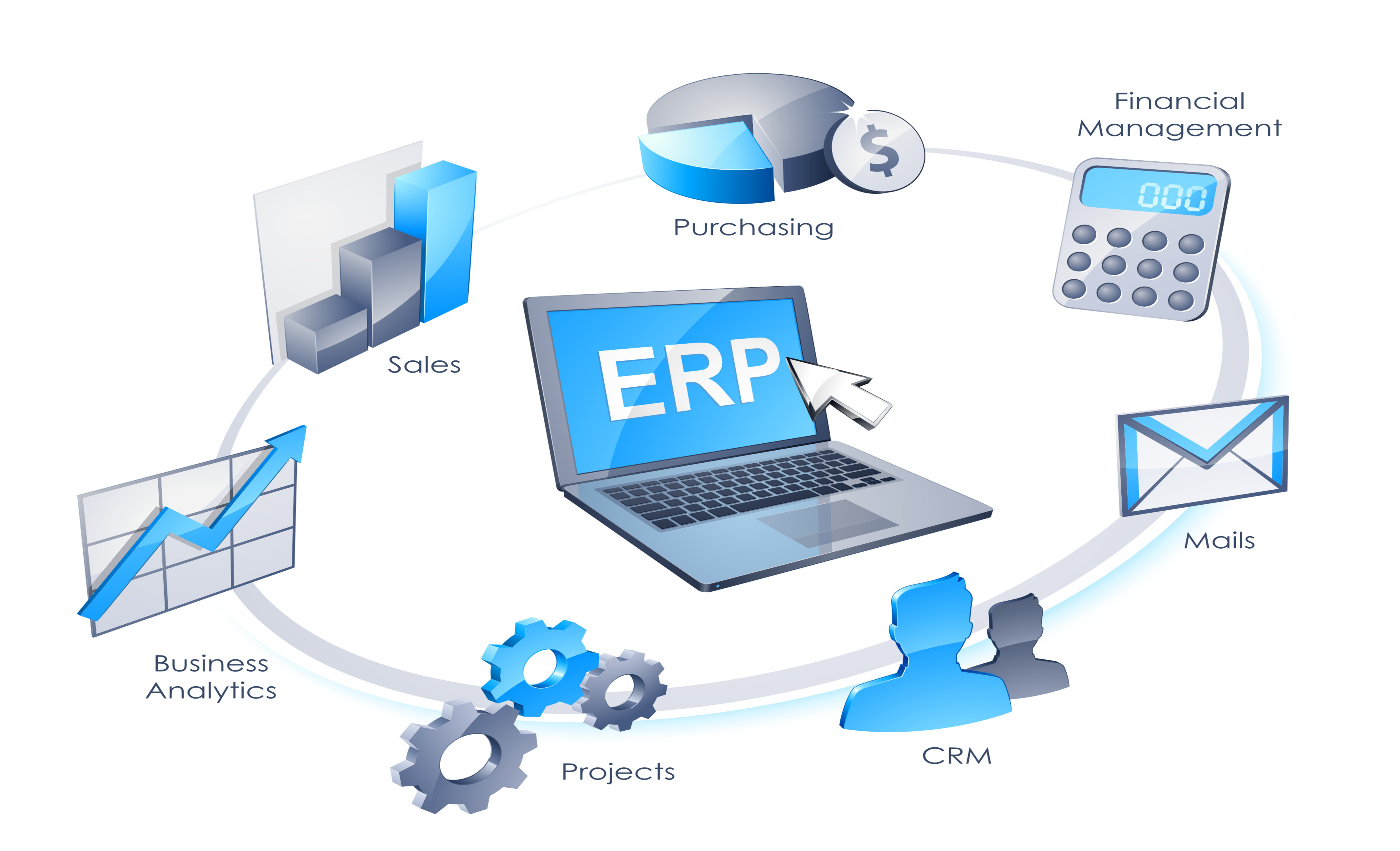
An Enterprise Resource Planning (ERP) system acts as the central nervous system for a business, and its impact on supply chain operations is nothing short of revolutionary. By consolidating data and streamlining processes, ERP systems empower organizations to achieve unprecedented levels of visibility, control, and efficiency across their entire supply chain. This integrated approach moves beyond siloed departmental functions to create a holistic view of operations, enabling better forecasting, optimized resource allocation, and ultimately, a more resilient and responsive supply chain.
Core Functionalities Enhancing Supply Chain Visibility and Control
The fundamental capabilities of an ERP system directly translate into enhanced supply chain visibility and control by providing a unified source of truth and automating critical processes. At its heart, an ERP system offers real-time data tracking across all stages of the supply chain, from raw material sourcing to final product delivery. This includes detailed inventory levels, order statuses, shipment locations, and supplier performance metrics.
This constant flow of up-to-date information allows managers to identify potential bottlenecks or disruptions before they escalate. For instance, if inventory levels for a critical component dip below a predetermined threshold, the ERP system can automatically trigger alerts and initiate reorder processes, preventing stockouts. Furthermore, the system facilitates demand forecasting by analyzing historical sales data, market trends, and even external factors like seasonal demands, leading to more accurate production planning and inventory optimization.
The ability to monitor supplier lead times and delivery performance in real-time also enables proactive engagement with underperforming vendors, fostering stronger supplier relationships and ensuring timely material availability. Moreover, ERP systems often incorporate advanced planning and scheduling (APS) modules that can optimize production runs, transportation routes, and labor allocation, thereby maximizing resource utilization and minimizing operational costs. The inherent audit trails within an ERP system also provide a clear record of all transactions, enhancing accountability and facilitating compliance with regulatory requirements.
This comprehensive oversight, powered by integrated data and automated workflows, is the bedrock of effective supply chain management.
Integration of Disparate Supply Chain Processes
A key strength of an ERP system lies in its ability to seamlessly integrate formerly disparate supply chain processes into a cohesive, unified platform. Traditionally, procurement, inventory management, and logistics operated as distinct entities, often communicating through manual data entry, spreadsheets, or disconnected software. An ERP system breaks down these silos by creating a single database where information flows freely between modules.
For example, when a sales order is entered into the ERP, it automatically updates inventory levels, triggers a production or procurement request if stock is insufficient, and informs the logistics module about the outgoing shipment. In procurement, an ERP system can manage the entire lifecycle of a purchase order, from requisition and approval to receiving and invoice matching. This integration ensures that procurement activities are aligned with actual demand and inventory needs, preventing overstocking or shortages.
Inventory management benefits immensely from this unified approach, as the ERP system provides real-time visibility into stock levels across multiple warehouses, tracks goods in transit, and manages stock valuation. This eliminates the need for manual stocktakes and reduces errors associated with outdated inventory records. For logistics, the ERP system can optimize shipping routes, manage carrier relationships, track shipments in real-time, and even automate freight auditing.
The integration extends to financial modules, allowing for seamless reconciliation of invoices with purchase orders and receipts, thereby improving financial accuracy and control. This interconnectedness fosters a more agile and efficient supply chain, where decisions made in one area have immediate, transparent impacts on others, leading to a more synchronized and responsive operation.
Advantages of a Centralized Data Repository
The establishment of a centralized data repository for all supply chain-related information within an ERP context offers profound advantages, fundamentally transforming how businesses manage their operations. Instead of data being scattered across various departmental spreadsheets, legacy systems, or individual hard drives, an ERP consolidates everything into a single, accessible database. This centralization eliminates data redundancy and inconsistencies, ensuring that everyone in the organization is working with the most accurate and up-to-date information.
For instance, if a sales team needs to confirm product availability for a customer, they can access the ERP system and see real-time inventory levels, rather than relying on potentially outdated reports from the warehouse. This single source of truth also significantly improves decision-making speed and quality. When all relevant data – from sales forecasts and production schedules to supplier lead times and shipping statuses – is readily available in one place, managers can gain a comprehensive understanding of the supply chain’s performance and identify trends or anomalies much faster.
This also fosters better collaboration across departments. When procurement, production, sales, and logistics teams can all access and contribute to the same data set, communication breakdowns are minimized, and cross-functional alignment is enhanced. Furthermore, a centralized repository simplifies reporting and analytics. Generating comprehensive reports on inventory turnover, order fulfillment rates, or supplier performance becomes a much more straightforward process, as all the necessary data is already integrated.
This also facilitates better compliance and auditability, as all transactions are recorded in a consistent manner and can be easily traced. Ultimately, this unified data environment empowers businesses to move from reactive problem-solving to proactive strategy development, driving significant improvements in efficiency, cost reduction, and customer satisfaction.
Hypothetical Scenario: Real-Time Data for Proactive Decision-Making
Consider a hypothetical scenario involving “GreenHarvest Organics,” a company specializing in organic produce distribution. They rely heavily on timely deliveries from various farms and efficient distribution to supermarkets. Before implementing an ERP system, GreenHarvest faced frequent disruptions. A sudden frost in a key strawberry-growing region would often catch them by surprise, leading to stockouts and disappointed retailers. Similarly, a trucking delay on a major route could jeopardize deliveries of their premium blueberries.With their new ERP system, the game changes dramatically.
The ERP is connected to weather monitoring services and has established data-sharing agreements with their primary farm suppliers. One Tuesday morning, the ERP’s advanced analytics module flags a severe frost warning for the region supplying GreenHarvest’s organic strawberries, with a high probability of crop damage. Instead of waiting for the farm to report losses, the ERP system immediately alerts the procurement and logistics teams.
“Real-time data integration empowers proactive intervention, transforming potential crises into manageable operational adjustments.”
Based on this alert, the procurement manager, referencing the ERP’s supplier database, quickly identifies an alternative supplier in a different, unaffected region. The ERP system’s inventory module shows that GreenHarvest has sufficient stock of other popular berries to meet immediate demand, allowing them to reallocate trucks originally destined for less critical shipments. Simultaneously, the logistics module is used to reroute incoming shipments of affected strawberries to a different distribution center where demand is lower, or to initiate a recall for any already-dispatched, but not yet delivered, affected produce.
The sales team, alerted by the ERP about potential shortages, can proactively communicate with affected supermarkets and offer alternative produce or adjusted delivery schedules, mitigating customer dissatisfaction.The immediate benefits are tangible: stockouts are averted, costly emergency shipments are avoided, and customer relationships remain strong. The ERP system’s real-time data, combined with predictive analytics, allowed GreenHarvest to move from a reactive firefighting mode to a proactive, strategic approach, demonstrating the immense value of integrated information for navigating the complexities of the modern supply chain.
This ability to anticipate and respond swiftly to disruptions is a direct consequence of the ERP’s continuous flow of accurate, real-time information.
Uncover the significant contributions of an ERP system to enhancing procurement and vendor management in the supply chain.

An efficiently managed supply chain hinges on robust procurement and vendor management. These foundational elements directly impact cost, quality, and delivery timelines. Integrating an Enterprise Resource Planning (ERP) system revolutionizes these processes, transforming them from transactional activities into strategic advantages. By centralizing data, automating workflows, and providing deep analytical insights, an ERP system empowers organizations to make more informed decisions, mitigate risks, and foster stronger relationships with their suppliers, ultimately driving greater overall supply chain performance and profitability.
Streamlining the Purchase Order Lifecycle
An ERP system fundamentally transforms the purchase order (PO) lifecycle, moving it from a series of disjointed steps to a cohesive, transparent, and compliant process. This end-to-end management is critical for ensuring that goods and services are acquired efficiently and at the best possible terms, while adhering to internal policies and external regulations. The journey begins with the creation of a purchase requisition, often initiated by a department needing specific items.
This requisition is then routed through an automated approval workflow within the ERP, ensuring that only authorized personnel can approve spending. Once approved, the requisition seamlessly transitions into a purchase order. The ERP system can automatically populate POs with pre-approved vendor information, pricing agreements, and item details, significantly reducing manual data entry errors and saving valuable time. This automated generation ensures consistency and accuracy across all outgoing orders.The system then facilitates the transmission of the PO to the vendor, often through electronic data interchange (EDI) or email, further accelerating the process and reducing the chances of miscommunication.
Upon receipt of goods or services, the ERP system enables efficient three-way matching: comparing the purchase order, the receiving report, and the vendor’s invoice. This automated verification process is crucial for preventing overpayments, duplicate invoices, and unauthorized purchases. Any discrepancies are flagged for immediate review and resolution, maintaining strict financial control. Finally, once all checks are completed and approved within the system, the ERP triggers the payment process, ensuring timely disbursement to vendors and maintaining positive supplier relationships.
Throughout this entire cycle, the ERP provides real-time visibility into the status of each PO, allowing procurement teams to track progress, identify bottlenecks, and proactively address any issues that may arise, thereby ensuring compliance with contractual terms and internal procurement policies. This level of integrated control and transparency is virtually impossible to achieve with manual or disparate systems.
Supplier Performance Tracking and Evaluation
Effective vendor management is not just about placing orders; it’s about cultivating a network of reliable partners. An ERP system provides sophisticated functionalities for tracking and evaluating supplier performance, moving beyond anecdotal evidence to data-driven assessments. At its core, the ERP system acts as a central repository for all vendor-related information, including contact details, contract terms, historical performance data, and certifications.
This comprehensive view allows procurement professionals to quickly access critical information when making sourcing decisions or resolving issues. A key feature is the ability to record and analyze delivery performance, such as on-time delivery rates, lead times, and order fill rates. By capturing data directly from receiving logs and shipping confirmations, the ERP system provides objective metrics on how consistently vendors are meeting their commitments.Furthermore, the system tracks quality metrics, allowing for the recording of rejected goods, return rates, and the incidence of defects.
This data is invaluable for identifying suppliers who consistently deliver subpar quality and for initiating corrective actions. Financial performance can also be monitored, including payment terms adherence and any instances of invoicing errors or disputes. The ERP can generate performance scorecards for each supplier, aggregating these various metrics into a clear, quantifiable rating. These scorecards can be customized to highlight the most critical performance indicators for a specific business or industry.
For example, a food manufacturer might prioritize on-time delivery and quality certifications, while an electronics company might focus on lead times and defect rates. The system also facilitates feedback loops, allowing internal stakeholders (e.g., quality control, production) to input their experiences with suppliers directly into the ERP, enriching the performance data. This continuous monitoring and evaluation process enables organizations to identify high-performing vendors for preferential treatment and to address underperforming suppliers proactively, potentially through collaborative improvement initiatives or by seeking alternative sources.
Strategic Sourcing and Contract Management
Beyond transactional procurement, ERP systems are instrumental in enabling strategic sourcing and robust contract management with key suppliers. Strategic sourcing involves identifying, evaluating, and selecting suppliers that can provide the best overall value, considering not just price but also quality, innovation, reliability, and risk. An ERP system supports this by providing access to comprehensive market intelligence and supplier databases. It allows for the consolidation of spend data across the organization, revealing opportunities for volume discounts and preferred supplier agreements.
By analyzing historical purchasing patterns and future demand forecasts, procurement teams can identify opportunities to consolidate suppliers, negotiate better terms, and reduce the number of vendors managed. This strategic approach moves procurement from a reactive function to a proactive driver of cost savings and competitive advantage.Contract management within an ERP system is equally critical. The system acts as a centralized repository for all supplier contracts, ensuring that key terms, conditions, pricing, and service level agreements (SLAs) are meticulously documented and readily accessible.
This eliminates the risk of contracts being lost, overlooked, or misinterpreted. The ERP can automate contract renewal alerts, reminding procurement managers well in advance of expiration dates, allowing ample time for renegotiation or the initiation of a new sourcing process. It can also track contract compliance, flagging instances where a supplier is not adhering to agreed-upon terms, such as pricing discrepancies or failure to meet SLAs.
This proactive monitoring helps to prevent revenue leakage and ensure that the organization is receiving the full value of its contractual agreements. Moreover, the ERP can facilitate the development of long-term partnerships with key suppliers. By sharing demand forecasts and collaborating on product development or process improvements through the ERP platform, organizations can foster deeper relationships, leading to greater innovation, improved supply chain resilience, and a shared commitment to mutual success.
Manual Procurement vs. ERP-Driven Procurement
The contrast between manual procurement processes and an ERP-driven approach is stark, with the latter offering substantial gains in efficiency and significant reductions in risk. In a manual procurement environment, tasks such as requisition creation, PO generation, invoice processing, and payment are often handled using spreadsheets, email, and paper-based forms. This inherently leads to a multitude of inefficiencies. For instance, creating a purchase order might involve manually typing in supplier details, item descriptions, and pricing, a process that is not only time-consuming but also highly susceptible to human error.
This can result in incorrect orders, incorrect pricing, and delayed deliveries, all of which negatively impact operational efficiency and can lead to increased costs.Transparency is another major casualty of manual processes. Tracking the status of a purchase order or an invoice can involve a lengthy chase through different departments or physical files, making it difficult to gain a clear overview of spending or to identify bottlenecks.
This lack of visibility also increases the risk of fraud and non-compliance, as it becomes harder to enforce internal policies or to verify that all purchases are legitimate and authorized. Vendor management in a manual system is typically fragmented, with vendor information scattered across various documents. This makes it challenging to assess supplier performance objectively, leading to decisions based on intuition rather than data, and potentially perpetuating relationships with underperforming vendors.An ERP-driven procurement system, in contrast, centralizes all these functions within a single, integrated platform.
The automated workflows for requisitions, POs, and approvals drastically reduce processing times and eliminate manual data entry errors. Real-time visibility into the status of every transaction allows for proactive problem-solving and improved decision-making. The three-way matching functionality within an ERP system significantly mitigates the risk of payment errors and fraud. Furthermore, the robust supplier performance tracking and contract management capabilities provide objective data for strategic sourcing, enabling organizations to build stronger, more reliable supplier relationships and to negotiate better terms.
The efficiency gains are substantial, freeing up procurement professionals to focus on more strategic activities rather than routine administrative tasks. The reduction in errors, improved compliance, and enhanced visibility collectively contribute to a more resilient and cost-effective supply chain.
Examine the impact of an ERP system on logistics and transportation management within the supply chain.
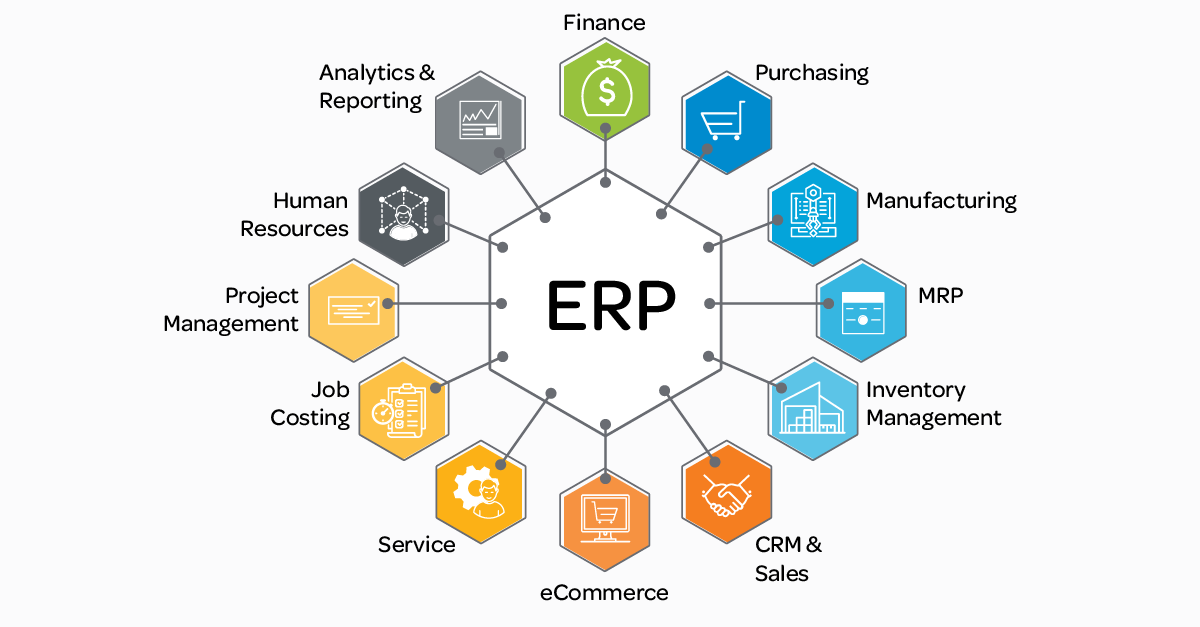
An Enterprise Resource Planning (ERP) system fundamentally reshapes the landscape of logistics and transportation management, moving operations from fragmented, reactive processes to an integrated, proactive, and data-driven approach. By centralizing information and automating key workflows, ERP solutions empower organizations to gain unprecedented visibility and control over the movement of goods. This enhanced oversight is critical for optimizing efficiency, reducing costs, and ensuring timely delivery, all of which are paramount in today’s competitive global marketplace.
The ability of an ERP to connect disparate logistical functions allows for a holistic view, enabling better decision-making and strategic planning across the entire supply chain.The integration of an ERP system into logistics and transportation management is not merely about tracking shipments; it’s about orchestrating a complex symphony of activities. From the initial planning stages to the final mile delivery, every element is interconnected and influenced by the data managed within the ERP.
This unified platform breaks down silos that often plague traditional logistics operations, where information might be scattered across different departments, spreadsheets, or legacy systems. Consequently, an ERP provides a single source of truth, fostering collaboration, improving accuracy, and ultimately driving significant improvements in operational performance and customer satisfaction.
Route Planning and Load Consolidation Optimization
ERP systems revolutionize route planning and load consolidation by leveraging vast amounts of real-time data and advanced algorithms. For inbound shipments, an ERP can analyze incoming inventory levels, production schedules, and warehouse capacities to determine optimal delivery times and routes for raw materials or components. This proactive approach minimizes stockouts and reduces the need for expensive expedited shipping. Similarly, for outbound shipments, the ERP can assess order volumes, delivery deadlines, customer locations, and available transportation resources to generate the most efficient delivery routes.
This involves considering factors such as traffic patterns, delivery time windows, and vehicle capacities.The power of load consolidation is significantly amplified through ERP capabilities. By pooling orders destined for similar geographic areas or requiring similar transportation modes, businesses can achieve fuller truckloads. This directly translates to reduced transportation costs per unit, as fewer trips are needed. An ERP system can identify these consolidation opportunities by analyzing pending orders, their destinations, and their required delivery dates.
For instance, if multiple orders are heading to the same city or region within a specific timeframe, the ERP can flag these for consolidation into a single shipment. This process not only saves on fuel and driver costs but also reduces the environmental impact of transportation. Furthermore, advanced ERP modules can incorporate predictive analytics to forecast demand and optimize fleet utilization, ensuring that vehicles are optimally deployed and that routes are continuously refined based on evolving conditions.
This dynamic optimization is crucial for maintaining a competitive edge in logistics.
Integration Points with Transportation Management Systems (TMS)
The synergy between an ERP system and a dedicated Transportation Management System (TMS) is a cornerstone of modern, efficient supply chain logistics. While an ERP provides the overarching framework for managing business processes, including order management, inventory, and financials, a TMS specializes in the intricacies of transportation execution. The integration points between these two systems are critical for achieving end-to-end shipment visibility and robust tracking capabilities.
Data flows seamlessly from the ERP to the TMS, initiating the transportation planning process. For example, when a sales order is fulfilled in the ERP and marked for shipment, this information, including order details, customer address, and required delivery date, is automatically transmitted to the TMS.The TMS then takes over the execution, selecting the most appropriate carrier based on pre-defined criteria (cost, service level, performance), planning optimal routes, and tendering the load.
Once the shipment is in transit, the TMS captures real-time tracking data from carriers, often through Electronic Data Interchange (EDI) or Application Programming Interfaces (APIs). This vital tracking information is then fed back into the ERP system. This bi-directional data flow ensures that all stakeholders, from logistics managers to customer service representatives and even the end customer, have access to the most up-to-date status of a shipment directly within the ERP interface.
This eliminates the need to log into separate systems or make numerous phone calls to carriers, drastically improving responsiveness and customer service. The integrated visibility allows for proactive exception management; if a shipment is delayed, the ERP can trigger alerts, enabling immediate action to mitigate potential disruptions.
Managing Freight Costs, Carrier Performance, and Regulatory Compliance
An ERP system plays a pivotal role in managing the complex financial and compliance aspects of freight transportation. By centralizing freight cost data, an ERP provides a comprehensive view of all transportation expenditures, allowing for detailed analysis and identification of cost-saving opportunities. This includes tracking costs by carrier, lane, mode of transport, and even by individual shipment. The system can automatically audit freight invoices against contracted rates and shipment details, flagging discrepancies and preventing overpayments.
This automated auditing process is crucial for controlling escalating transportation expenses.Furthermore, ERP systems are instrumental in evaluating carrier performance. By collecting data on on-time delivery rates, damage claims, billing accuracy, and adherence to service level agreements (SLAs), the ERP provides objective metrics for assessing carrier reliability. This performance data can be used to negotiate better rates with carriers, identify underperforming partners, and make informed decisions about carrier selection for future shipments.
This data-driven approach to carrier management fosters stronger partnerships and drives continuous improvement in service quality.In terms of regulatory compliance, an ERP system ensures adherence to a myriad of shipping regulations. This includes managing documentation requirements for international shipments, such as customs declarations, bills of lading, and certificates of origin. The ERP can store and manage these documents, ensuring they are accurate, complete, and available when needed.
It can also help track compliance with hazardous materials regulations, weight restrictions, and driver hours of service. For example, if a shipment involves regulated goods, the ERP can automatically flag the necessary documentation and ensure that the carrier selected is compliant with the specific transport requirements. This proactive approach to compliance minimizes the risk of fines, delays, and reputational damage.
Managing a Complex International Shipment with an ERP System, Erp system for supply chain management
Managing a complex international shipment from booking to final delivery confirmation within an ERP system is a multi-stage, highly integrated process designed for accuracy and efficiency.
1. Order Creation and International Shipping Trigger
The process begins when a sales order is entered into the ERP. If the order is designated for international delivery, the ERP flags it for special handling. It automatically pulls customer details, product information, quantities, and the destination country.
2. Harmonized System (HS) Code Assignment and Documentation Generation
The ERP, often integrated with a global trade management module, prompts for or automatically retrieves the correct Harmonized System (HS) codes for each item in the order. Based on these codes and destination country regulations, the ERP generates essential pre-shipment documentation, including pro forma invoices, commercial invoices, and packing lists. It also determines if export licenses or other specific permits are required, flagging these for procurement or compliance teams.
3. Carrier Selection and Booking
The ERP interfaces with the TMS (or has built-in transportation planning capabilities). Based on the shipment’s origin, destination, weight, dimensions, required delivery date, and cost parameters, the system presents optimal carrier options. This selection considers factors like transit times, freight rates, carrier reliability, and compliance with international shipping laws. Once a carrier is selected, the ERP facilitates the booking process, transmitting all relevant shipment data electronically to the chosen freight forwarder or carrier.
4. Shipment Preparation and Handover
Examine how best ap automation software for small business can boost performance in your area.
As the physical goods are prepared for shipment, the ERP’s inventory management module is updated to reflect the items being picked and packed. The ERP generates the necessary labels and shipping marks. A Bill of Lading (BOL) is then generated by the system, either by the ERP or the TMS, containing all critical details like shipper, consignee, cargo description, and freight terms.
The physical handover of goods to the carrier is recorded in the ERP, often via a scan or digital signature.
5. In-Transit Tracking and Customs Clearance
Once the shipment is in transit, the TMS, integrated with the ERP, receives real-time tracking updates from the carrier via EDI or API. This data, including location scans and estimated arrival times, is reflected in the ERP. For customs clearance, the ERP ensures that all required documents (commercial invoice, packing list, BOL, certificates of origin, and any specific import permits) are readily available and accurately populated.
It can also trigger pre-clearance processes if the carrier provides such a service, forwarding necessary documentation to customs brokers.
6. Arrival Notification and Proof of Delivery
As the shipment nears its destination, the ERP, using data from the TMS, provides updated estimated times of arrival (ETAs) to relevant parties, including the customer. Upon arrival at the destination port or facility, the carrier typically provides a final scan or confirmation. This information is fed back into the ERP.
7. Delivery Confirmation and Finalization
The final stage involves the physical delivery of the goods to the consignee. The carrier provides proof of delivery (POD), which can be a signed document or an electronic confirmation. This POD is uploaded into the ERP system and linked to the original sales order. The ERP then updates the order status to “delivered” and initiates the final invoicing and payment processes, ensuring all costs are accounted for and reconciled.
Throughout this entire process, the ERP acts as the central hub, ensuring data integrity, providing visibility, and automating tasks to minimize errors and delays in complex international logistics.
The Critical Role of ERP Systems in Fostering Collaboration and Communication Across the Extended Supply Chain
In today’s interconnected global economy, the efficiency and resilience of a supply chain are heavily dependent on seamless collaboration and robust communication among all its participants. An Enterprise Resource Planning (ERP) system stands at the forefront of enabling this crucial interconnectivity, acting as the central nervous system that links disparate entities and processes. By consolidating information and standardizing workflows, an ERP system breaks down traditional silos, fostering a unified operational environment.
This not only enhances visibility but also cultivates trust and a shared understanding of objectives, which are fundamental for navigating the complexities of modern supply chain management. The ability to share accurate, real-time information across the entire network is no longer a luxury but a necessity for competitive advantage and sustained success.An ERP system fundamentally transforms collaboration by establishing itself as the single source of truth for all supply chain-related data.
Before the widespread adoption of ERP, information often resided in fragmented systems, spreadsheets, or even paper-based records, leading to inconsistencies, delays, and a lack of clarity. With an ERP, all stakeholders, from internal departments like procurement, sales, and production, to external partners such as suppliers, customers, and third-party logistics (3PL) providers, access the same, up-to-date information. This eliminates the need for constant back-and-forth communication to verify data, reducing errors and speeding up decision-making processes.
For instance, when a sales order is entered, the ERP system automatically updates inventory levels, triggers procurement requests if necessary, and informs the logistics team about upcoming shipments, all in real-time. This unified view ensures that everyone is working with the same set of facts, minimizing misunderstandings and fostering a more cohesive operational approach. The transparency provided by an ERP system builds confidence among partners, as they can rely on the accuracy and timeliness of the shared data, leading to stronger, more collaborative relationships.
Seamless Data Exchange with Supply Chain Partners
The integration capabilities of an ERP system are paramount in facilitating seamless data exchange with suppliers, customers, and logistics providers. Modern ERP solutions are designed with open architectures and robust Application Programming Interfaces (APIs) that allow for the effortless flow of information between the ERP and external systems. This means that purchase orders generated in the ERP can be automatically sent to a supplier’s system, and in return, advance shipping notices (ASNs) from the supplier can be directly received and processed by the ERP.
Similarly, customer orders can be transmitted electronically, and shipment tracking information can be shared back with customers in real-time, enhancing their experience. For logistics providers, the ERP can transmit shipment details, receive proof of delivery, and even manage freight billing, streamlining the entire transportation process. This automated exchange of data significantly reduces manual data entry, which is a common source of errors and delays.
It ensures that information is captured accurately and promptly, enabling better planning and execution across all stages of the supply chain.The mechanisms for this seamless data exchange are diverse and often tailored to the specific needs and technological capabilities of each partner. Common methods include:
- Electronic Data Interchange (EDI): A standardized format for exchanging business documents electronically, such as purchase orders, invoices, and ASNs. ERP systems often have built-in EDI capabilities or integrate with EDI service providers.
- APIs (Application Programming Interfaces): These allow different software applications to communicate with each other directly. ERP vendors provide APIs that enable partners to send and receive data in a structured format, offering more flexibility than traditional EDI.
- Web Portals: Many ERP systems offer secure web portals where suppliers and customers can log in to view relevant information, place orders, update statuses, and communicate. This provides a user-friendly interface for partners who may not have sophisticated IT systems.
- XML (Extensible Markup Language): A flexible data format that can be used for data exchange, often employed in conjunction with APIs or for simpler data transfers.
The adoption of these technologies within an ERP framework creates a digital thread that connects all participants, ensuring that critical information is shared without friction. This interconnectedness is vital for operational efficiency and for building resilient supply chains that can adapt to changing market demands.
Real-Time Collaboration for Mitigating Disruptions and Improving Response Times
The real-time collaboration enabled by an ERP system is a powerful tool for mitigating supply chain disruptions and significantly improving response times. When an unforeseen event occurs, such as a natural disaster affecting a key supplier, a sudden surge in demand, or a transportation delay, the ability to quickly assess the situation and implement corrective actions is critical. An ERP system provides the immediate visibility needed to understand the scope of the disruption.
For example, if a supplier’s factory is shut down, the ERP can instantly identify all affected orders, the inventory levels of the impacted components, and the potential downstream consequences for production and customer deliveries.This real-time insight allows for proactive problem-solving. Instead of waiting for manual updates or trying to piece together information from various sources, supply chain managers can use the ERP to:
- Identify alternative suppliers: The ERP can quickly search for pre-qualified alternative suppliers for the affected components, assessing their availability and lead times.
- Re-route shipments: If a transportation route is blocked, the ERP can help identify alternative routes and carriers, optimizing logistics in real-time.
- Adjust production schedules: The system can automatically recalculate production plans based on the availability of alternative materials or adjusted delivery timelines, minimizing idle time and production bottlenecks.
- Communicate with stakeholders: Crucially, the ERP facilitates rapid communication. Alerts can be automatically sent to affected customers, suppliers, and internal teams, providing them with accurate, up-to-date information about the situation and the planned actions. This transparency helps manage expectations and maintain trust during challenging times.
A practical example of this occurred when a major storm disrupted port operations on the West Coast. Companies using an ERP system could immediately see which inbound shipments were affected, their estimated delay, and the impact on their production schedules. This allowed them to proactively communicate with customers about potential delays, work with logistics partners to explore alternative shipping methods (e.g., air freight for critical items), and adjust production plans to prioritize other orders that were not impacted.
Without the ERP’s real-time visibility and communication tools, such a disruption could have led to significant order backlogs, lost sales, and damaged customer relationships. The ability to swiftly re-allocate resources and adjust plans based on accurate, real-time data is a direct benefit of an integrated ERP system.
Shared Forecasting and Collaborative Planning with Supply Chain Stakeholders
Leveraging an ERP platform for shared forecasting and collaborative planning with supply chain stakeholders transforms how businesses anticipate future needs and align their strategies. Traditional forecasting often occurs in departmental silos, leading to discrepancies and a lack of buy-in from partners who are crucial for execution. An ERP system provides a centralized repository for historical sales data, market intelligence, and operational capacities, forming the bedrock for more accurate and collaborative forecasting.
By bringing together data from sales, marketing, finance, and operations, the ERP creates a holistic view of anticipated demand and supply capabilities.The process of using an ERP for shared forecasting and collaborative planning typically involves several key steps:
- Data Aggregation and Analysis: The ERP system pulls together historical sales data, promotional plans, economic indicators, and other relevant factors. Advanced analytics modules within the ERP can then process this data to generate baseline demand forecasts.
- Collaborative Input: This initial forecast is then shared with key internal stakeholders (e.g., sales managers, production planners) and external partners (e.g., major customers, key suppliers) through the ERP’s collaborative portal or via integrated communication tools. These stakeholders can provide feedback, adjust the forecast based on their specific market insights or capacity constraints, and highlight potential risks or opportunities. For instance, a key customer might inform their supplier (via the ERP portal) about an upcoming large promotional event that will significantly increase their order volume. A supplier might indicate a potential shortage of a critical raw material that could impact their ability to meet forecasted demand.
- Consensus Building and Refinement: The ERP system facilitates the aggregation of this feedback, allowing for discussions and negotiations to reach a consensus forecast. The system can track changes, justifications, and approval workflows, ensuring transparency and accountability. This iterative process helps refine the forecast, making it more realistic and actionable for all parties involved.
- Integrated Planning: Once a consensus forecast is established, the ERP system uses this information to drive other planning processes, such as material requirements planning (MRP), production scheduling, capacity planning, and inventory optimization. This ensures that procurement, production, and logistics are all aligned with the agreed-upon demand plan.
- Performance Monitoring: The ERP continuously monitors actual performance against the forecast, providing valuable insights for future forecasting cycles. This feedback loop is essential for improving accuracy over time.
A practical example is a consumer goods manufacturer using an ERP to collaborate with its retail partners. Instead of just receiving orders, the manufacturer shares its demand forecast with retailers, who in turn provide their point-of-sale (POS) data and insights into local market trends. This shared visibility allows both parties to collaboratively refine the forecast for specific product lines and regions.
This leads to more accurate inventory levels at both the manufacturer and retailer, reducing stockouts and overstock situations, and ultimately improving customer satisfaction. The ability to plan collaboratively, grounded in shared data and insights facilitated by the ERP, leads to a more agile and responsive supply chain.
Assess the strategic advantages an ERP system provides for risk management and resilience in the supply chain.: Erp System For Supply Chain Management
In today’s volatile business environment, supply chain resilience is no longer a desirable trait but a critical imperative. Disruptions, from natural disasters and geopolitical shifts to supplier failures and cyberattacks, can cripple operations and lead to significant financial losses. An Enterprise Resource Planning (ERP) system, when leveraged effectively, transforms risk management from a reactive measure into a proactive, strategic advantage, bolstering the supply chain’s ability to withstand and recover from unforeseen events.
By integrating data and processes across the entire supply chain, an ERP provides unparalleled visibility and control, enabling organizations to anticipate, mitigate, and respond to risks with greater agility and confidence.An ERP system is instrumental in enabling the proactive identification and assessment of potential supply chain risks by centralizing vast amounts of operational data. This consolidation allows for the creation of a unified, real-time view of the entire supply chain, from raw material sourcing to final product delivery.
Through sophisticated analytics and reporting tools, an ERP can monitor key performance indicators (KPIs) that often signal emerging risks. For instance, it can track supplier lead times, inventory levels at various nodes, shipping performance, and even financial health indicators of critical partners. Deviations from historical norms or predefined thresholds can trigger alerts, prompting an early investigation. Furthermore, ERP systems can integrate with external data sources, such as weather forecasts, geopolitical risk indices, or commodity price fluctuations, to provide a more comprehensive risk landscape.
By analyzing historical data on past disruptions, an ERP can also identify patterns and vulnerabilities, allowing for the development of predictive models to forecast the likelihood and potential impact of future events. This continuous monitoring and analysis empower organizations to move beyond simply reacting to crises and instead, to actively anticipate and prepare for them, significantly reducing the probability of severe disruptions.The capabilities of an ERP system in supporting contingency planning and the execution of alternative supply chain strategies during disruptions are profound.
Once potential risks are identified, an ERP facilitates the development of robust contingency plans by providing the necessary data and scenario planning tools. For example, if a primary supplier faces production issues, the ERP can quickly identify alternative suppliers based on pre-defined criteria such as proximity, capacity, cost, and quality. It can simulate the impact of shifting production to an alternative source, including changes in lead times, transportation costs, and inventory requirements.
This allows for the pre-validation of backup plans, ensuring that when a disruption occurs, the transition to an alternative strategy is seamless and efficient. Moreover, during an actual disruption, the ERP acts as the central command center for executing these alternative strategies. It can dynamically re-route shipments, adjust production schedules, and reallocate resources in real-time, minimizing downtime and customer impact.
The system’s ability to manage multiple scenarios and execute pre-approved alternative plans means that organizations can respond to disruptions with speed and precision, rather than scrambling to gather information and make ad-hoc decisions under pressure.An ERP’s integrated data is crucial for quickly understanding the impact of unforeseen events and formulating recovery plans. The true power of an ERP in crisis management lies in its ability to provide a single source of truth across all supply chain functions.
When an unforeseen event occurs, such as a port closure or a major quality issue with a component, the integrated data within the ERP allows for an immediate and comprehensive assessment of the impact. For instance, the system can instantly identify all orders, inventory, and production schedules that are affected by the disruption. It can quantify the potential delays, the affected customer base, and the financial implications in near real-time.
This granular visibility is essential for accurate impact assessment. Subsequently, this same integrated data fuels the formulation of effective recovery plans. The ERP can highlight alternative inventory locations, available production capacity at other facilities, and potential alternative transportation modes. By overlaying the impact assessment with available recovery options, management can make informed decisions about the most efficient and cost-effective path to restoring normal operations.
This rapid understanding and informed decision-making process are critical for minimizing the duration and severity of any supply chain disruption.A conceptual framework for an ERP-driven supply chain risk dashboard can be visualized as a dynamic, multi-layered interface designed for continuous monitoring and swift mitigation of potential threats. The essential components would include a real-time overview of supply chain health, key risk indicators, and actionable alerts.
At its core, the dashboard would feature a visual representation of the entire supply chain network, highlighting critical nodes, supplier locations, and transportation routes. This map-based view would dynamically update to show current status, potential bottlenecks, and areas of concern. A dedicated section would focus on Key Risk Indicators (KRIs), which are metrics that provide early warnings of potential disruptions.
These KRIs could include:
- Supplier Performance Metrics: On-time delivery rates, quality defect rates, financial stability scores, and geopolitical risk ratings for key suppliers.
- Inventory Health: Stock levels at different warehouses, inventory turnover ratios, and potential stock-out risks for critical components or finished goods.
- Logistics and Transportation Status: Real-time tracking of shipments, transit times, potential delays due to weather or port congestion, and carrier performance.
- Demand and Production Fluctuations: Analysis of demand forecasts versus actual sales, and production capacity utilization to identify potential overloads or underutilization.
- External Risk Factors: Integration of data on natural disasters, political instability, economic indicators, and cybersecurity threats relevant to the supply chain’s operating regions.
Another critical component would be an alert system, which uses pre-defined thresholds and predictive analytics to flag potential risks. These alerts would be categorized by severity and type, allowing for prioritized response. For example, a Tier 1 alert might signify an imminent disruption to a critical supplier, while a Tier 3 alert could indicate a minor delay in a non-critical shipment.
The dashboard would also include a “Scenario Planning” module, allowing users to simulate the impact of various disruptions and test the effectiveness of different mitigation strategies. Finally, a “Recovery Actions” section would provide pre-approved action plans linked to specific risk types, enabling rapid execution once a disruption is confirmed. This comprehensive dashboard, powered by the integrated data of an ERP, empowers organizations to maintain a vigilant stance, enabling them to identify, assess, and respond to supply chain risks with unprecedented speed and strategic foresight.
Understanding the Implementation Considerations and Best Practices for Adopting an ERP System for Supply Chain Management
Embarking on an ERP implementation for supply chain management is a significant undertaking, akin to building a new operational backbone for your entire business. It’s not just about installing software; it’s a strategic initiative that touches every facet of how your organization sources, makes, moves, and sells goods. Success hinges on meticulous planning, robust execution, and a deep understanding of the inherent complexities.
This section delves into the critical aspects that pave the way for a smooth and effective ERP adoption, ensuring that the chosen solution truly transforms your supply chain operations.
Critical Phases in Selecting and Deploying an ERP Solution for Supply Chain Needs
The journey of selecting and deploying an ERP system tailored for supply chain management is a phased approach, each stage demanding careful attention and strategic decision-making. Skipping or rushing through these phases can lead to costly errors and suboptimal outcomes. The initial phase is Requirements Gathering and Analysis. This involves a thorough deep dive into current supply chain processes, identifying pain points, inefficiencies, and future needs.
Stakeholders from procurement, logistics, warehousing, manufacturing, sales, and finance must be involved to capture a holistic view. This stage culminates in a detailed Request for Proposal (RFP) document that clearly Artikels functional and technical requirements, integration needs, scalability expectations, and budget constraints.Following this is the Vendor Selection and Evaluation phase. Here, potential ERP vendors are shortlisted based on their ability to meet the defined requirements, their track record in supply chain management, industry-specific expertise, and their technological roadmap.
Demos, proof-of-concept exercises, and reference checks are crucial to assess the software’s capabilities and the vendor’s support infrastructure. This phase often involves a scoring matrix to objectively compare different solutions.The System Design and Configuration phase is where the selected ERP solution is tailored to the organization’s specific workflows. This includes configuring modules, defining business rules, setting up user roles and permissions, and customizing reports.
It’s vital to strike a balance between leveraging out-of-the-box functionalities and necessary customizations to avoid over-complication and future upgrade challenges.Next comes Development and Testing. This involves building any custom integrations, developing reports, and performing rigorous testing. Unit testing, integration testing, user acceptance testing (UAT), and performance testing are all essential to ensure the system functions as intended, is stable, and meets performance benchmarks.
UAT, in particular, is critical for end-user buy-in and validation.The Deployment and Go-Live phase is the culmination of the selection and design process. This involves migrating data, training users, and transitioning from the old system to the new ERP. A well-defined go-live strategy, including a rollback plan, is paramount to minimize disruption.Finally, the Post-Implementation Support and Optimization phase is ongoing. This includes addressing any immediate post-go-live issues, providing ongoing user support, and continuously monitoring system performance.
Regular reviews and updates are necessary to ensure the ERP system continues to align with evolving business needs and technological advancements, maximizing the return on investment.
Importance of Data Migration, System Integration, and User Training in ERP Implementation
The success of an ERP implementation for supply chain management is profoundly dependent on three interconnected pillars: data migration, system integration, and user training. Each plays a distinct yet complementary role in ensuring the new system becomes a functional and valuable asset. Data Migration is the process of transferring existing data from legacy systems into the new ERP. This is not merely a technical exercise but a critical cleansing and validation operation.
Inaccurate, incomplete, or duplicated data in the new system can lead to flawed decision-making, operational errors, and a loss of trust in the ERP itself. Before migration, data must be meticulously cleaned, de-duplicated, and standardized. The migration process itself requires careful planning, including defining data mapping rules, conducting test migrations, and developing a clear strategy for cutover to minimize downtime.
For instance, migrating historical sales data might require careful consideration of product codes, customer IDs, and pricing structures to ensure continuity and accurate historical analysis within the new ERP. A robust data migration strategy ensures that the ERP system starts with a clean and reliable foundation, enabling accurate reporting and effective operational management from day one. System Integration refers to connecting the ERP system with other existing software applications and hardware within the supply chain ecosystem.
This could include warehouse management systems (WMS), transportation management systems (TMS), customer relationship management (CRM) software, e-commerce platforms, or even IoT devices used for tracking inventory. Seamless integration ensures a flow of real-time information across different systems, eliminating data silos and manual data re-entry. For example, integrating the ERP with a WMS allows for real-time inventory updates, ensuring that sales orders in the ERP reflect actual stock availability, preventing backorders and improving customer satisfaction.
Likewise, integration with a TMS can automate shipment scheduling and tracking, providing end-to-end visibility of goods in transit. Without effective integration, the ERP can become an isolated system, diminishing its potential to provide a unified view of the supply chain and hindering cross-functional collaboration. User Training is perhaps the most human-centric, yet often underestimated, element of ERP implementation. Even the most sophisticated ERP system is ineffective if users do not understand how to operate it.
Comprehensive and ongoing training is essential for all levels of users, from data entry clerks to senior management. Training should be role-based, tailored to the specific functionalities each user group will interact with. It should go beyond basic system navigation to cover best practices, process workflows, and how the ERP supports their individual roles and departmental objectives. For instance, training for procurement officers should focus on requisitioning, purchase order creation, and vendor management within the ERP, while training for warehouse staff might emphasize inventory receiving, put-away, and picking processes.
A well-trained workforce is more likely to adopt the new system, utilize its full capabilities, and contribute to the overall success of the implementation, driving efficiency and improving data accuracy.
Change Management Strategies for Successful ERP Adoption Across the Supply Chain Organization
Successfully adopting an ERP system within a supply chain organization is as much about managing people as it is about managing technology. Change management strategies are the bedrock upon which user acceptance, sustained utilization, and ultimately, the realization of the ERP’s transformative potential are built. Without a proactive and well-executed change management plan, even the most robust ERP system can face resistance, leading to underutilization, workarounds, and a failure to achieve desired business outcomes.A fundamental strategy is Stakeholder Engagement and Communication.
This begins early in the project lifecycle and continues throughout. Identifying all stakeholders – from executive sponsors to frontline employees – and understanding their concerns, expectations, and potential resistance is crucial. Regular, transparent communication about the project’s objectives, progress, benefits, and any potential impacts on their roles is vital. This can involve town hall meetings, newsletters, intranet updates, and dedicated Q&A sessions.
For example, clearly communicating how the new ERP will automate tedious manual tasks for warehouse staff can alleviate fears of job displacement and highlight efficiency gains.Another critical strategy is Building a Strong Project Sponsorship and Governance Structure. Visible and active support from senior leadership sends a powerful message throughout the organization about the importance of the ERP initiative. A clear governance structure with defined roles and responsibilities ensures that decisions are made efficiently and that the project stays aligned with strategic objectives.
Executive sponsors should champion the change, remove roadblocks, and reinforce the value proposition of the ERP system. Training and Skill Development are central to adoption. As discussed previously, comprehensive and role-specific training is paramount. However, change management extends this by ensuring training is delivered in a way that fosters confidence and competence. This might involve a “train-the-trainer” approach, super-user programs where designated individuals become internal experts, or ongoing support mechanisms like help desks and knowledge bases.
For instance, establishing a network of super-users in each department can provide immediate, on-the-ground support and peer-to-peer learning, significantly enhancing user comfort and proficiency. Resistance Management is an inevitable component of change. It’s important to anticipate potential areas of resistance, understand their root causes (e.g., fear of the unknown, perceived loss of control, increased workload during transition), and develop strategies to address them.
This might involve one-on-one discussions, addressing specific concerns, providing additional support, or demonstrating the benefits through pilot programs. For example, if a particular team expresses concern about increased data entry requirements, demonstrating how the ERP’s automated features will ultimately reduce their manual effort can be persuasive.Finally, Reinforcement and Continuous Improvement are key to long-term success. Once the system is live, it’s important to celebrate successes, recognize early adopters, and continuously gather feedback to identify areas for further optimization.
This could involve performance dashboards that highlight efficiency gains achieved through the ERP, or user feedback sessions to refine processes and configurations. This reinforces the positive impact of the change and encourages ongoing engagement with the system, ensuring it remains a valuable tool for the supply chain organization.
Guiding Principles for Evaluating ERP Vendors and Solutions for Supply Chain Management Capabilities
Selecting the right ERP vendor and solution for supply chain management is a strategic decision that requires a structured and principled approach. It’s not about finding the most feature-rich software, but the one that best aligns with your organization’s unique supply chain needs, operational maturity, and future growth aspirations. A systematic evaluation process, guided by clear principles, will significantly increase the likelihood of a successful implementation and a strong return on investment.One core principle is Alignment with Core Supply Chain Processes.
The ERP solution must demonstrably support and enhance your critical supply chain functions, including procurement, inventory management, warehousing, transportation, demand planning, and order fulfillment. This means scrutinizing modules related to supplier relationship management, stock visibility, route optimization, and demand forecasting. For instance, if your organization relies heavily on just-in-time (JIT) inventory, the ERP’s inventory management capabilities, including real-time tracking, safety stock calculation, and reorder point automation, are paramount.
Vendors should be able to provide specific examples and case studies of how their solutions have improved these processes for similar companies.Another crucial principle is Scalability and Flexibility. The chosen ERP system should be capable of growing with your business and adapting to changing market dynamics. This involves assessing the system’s ability to handle increasing transaction volumes, expand to new geographical locations, and accommodate new product lines or business models without requiring a complete system overhaul.
A flexible architecture that allows for configuration and customization without extensive coding is also vital. For example, a vendor whose solution is built on a modern, cloud-native architecture often offers greater scalability and easier integration with emerging technologies like AI and IoT, which are increasingly relevant in supply chain optimization. Total Cost of Ownership (TCO) and Return on Investment (ROI) must be a guiding principle. This extends beyond the initial software license fees to include implementation costs, hardware, ongoing maintenance and support, training, and potential customization expenses.
Vendors should provide transparent pricing models. Equally important is the vendor’s ability to articulate a clear path to ROI, backed by tangible benefits such as reduced inventory holding costs, improved on-time delivery rates, lower transportation expenses, and increased operational efficiency. Requesting a detailed business case or ROI projection from potential vendors, with clearly defined metrics, is essential. Vendor Viability and Support are non-negotiable.
Evaluating the financial stability and long-term commitment of the ERP vendor is crucial, especially for cloud-based solutions where reliance on the vendor is significant. Assess their track record, customer satisfaction ratings, and the quality of their implementation partners and ongoing support services. For supply chain management, responsive support that understands the urgency of operational issues is critical. For instance, a vendor with a strong global support network and a dedicated supply chain practice can offer a significant advantage in resolving complex issues quickly, minimizing disruption to your operations.Finally, Technological Innovation and Future-Proofing should be considered.
The supply chain landscape is constantly evolving with advancements in areas like artificial intelligence, machine learning, blockchain, and the Internet of Things (IoT). A forward-thinking ERP solution should have a roadmap that incorporates these innovations and provides capabilities that can leverage them to further optimize supply chain operations. For example, a vendor offering integrated AI-powered demand forecasting or IoT data integration for real-time shipment tracking demonstrates a commitment to staying at the forefront of supply chain technology.
This ensures that your investment in the ERP system will remain relevant and beneficial for years to come.
Final Thoughts
In essence, an ERP system for supply chain management is not merely a technological tool but a strategic imperative. It provides the visibility, control, and integration necessary to navigate the complexities of modern supply chains, transforming challenges into opportunities for efficiency, resilience, and competitive advantage. By embracing an ERP solution, businesses can forge more robust, responsive, and profitable supply chain networks.
Answers to Common Questions
What is the primary benefit of using an ERP for supply chain management?
The primary benefit is achieving end-to-end visibility and control over the entire supply chain, leading to improved efficiency, reduced costs, and enhanced responsiveness.
Can an ERP system help with demand forecasting?
Yes, ERP systems typically include modules for demand forecasting that analyze historical data, market trends, and other factors to predict future demand more accurately.
How does an ERP system improve supplier relationships?
ERP systems facilitate better communication, transparency in transactions, and performance tracking, which can lead to stronger and more collaborative supplier relationships.
Is an ERP system suitable for small businesses in supply chain management?
While often associated with large enterprises, many ERP solutions are now scalable and offer modules specifically designed for the needs of small and medium-sized businesses in managing their supply chains.
What is the typical implementation time for an ERP system in supply chain management?
Implementation time can vary significantly based on the complexity of the business and the chosen ERP solution, but it can range from a few months to over a year.