ERP system accounting is a cornerstone of modern business operations, offering a unified platform to manage complex financial processes. This comprehensive guide delves into the intricacies of how these systems streamline financial transactions, enhance reporting accuracy, and ultimately drive better business decisions.
We will explore the fundamental accounting modules within an ERP system, detailing their interconnectedness and how they automate critical processes like journal entries, accounts payable, and accounts receivable. Furthermore, we will examine the procedural breakdown of real-time financial data consolidation and statement generation, alongside the crucial security measures in place to protect sensitive financial information. The benefits of integrating ERP accounting features with other operational areas such as inventory and sales will also be highlighted, showcasing a holistic approach to business management.
Unveiling the Core Functionalities of an Enterprise Resource Planning System in Managing Financial Transactions and Reporting

An Enterprise Resource Planning (ERP) system acts as the central nervous system for a business, orchestrating a multitude of operations. When it comes to financial management, its role is paramount, providing a unified platform for recording, processing, and analyzing all financial transactions. This integration ensures accuracy, efficiency, and real-time visibility, which are critical for informed decision-making and strategic planning. The core functionalities of an ERP in accounting are designed to streamline complex financial processes, reduce manual effort, and enhance overall financial control.The interconnectedness of ERP accounting modules is what truly sets them apart from disparate accounting software.
Each module feeds into a central database, creating a single source of truth for financial data. This eliminates data silos and ensures that information is consistent across all financial reporting and operational areas. The system’s architecture is built to handle the entire financial lifecycle, from initial transaction capture to final statement generation, providing a holistic view of the organization’s financial health.
Fundamental Accounting Modules within an ERP System and Their Interconnectedness
At its heart, an ERP system’s accounting capabilities are built upon several fundamental modules that work in concert. These modules are not independent entities but rather integral components of a larger, cohesive financial management framework. The General Ledger (GL) serves as the foundational module, acting as the central repository for all financial transactions. Every transaction, regardless of its origin, eventually finds its way into the GL, categorized by accounts.
This ensures that all financial activities are systematically recorded and summarized.The Accounts Payable (AP) module manages all outgoing payments to vendors and suppliers. It tracks invoices, approves payments, and ensures timely disbursement, preventing late fees and maintaining good supplier relationships. Conversely, the Accounts Receivable (AR) module handles all incoming payments from customers. It manages invoices, tracks outstanding balances, and facilitates collection efforts, thereby improving cash flow.Fixed Assets accounting is another crucial module, responsible for tracking the acquisition, depreciation, and disposal of long-term assets.
This module ensures compliance with accounting standards for asset valuation and tax reporting. Cost Accounting modules, often integrated with manufacturing or project management, track the costs associated with producing goods or delivering services, providing insights into profitability and efficiency. Finally, the Budgeting and Forecasting module allows businesses to plan their financial future, set targets, and monitor performance against these plans.
The seamless flow of data between these modules is what makes an ERP so powerful. For instance, a sales order processed in the Sales module automatically generates an invoice in the AR module, which in turn updates the GL. Similarly, a purchase order processed in Procurement triggers an entry in the AP module, ultimately impacting the GL. This intricate web of data flow ensures that financial data is always current and accurate.
Automation of Journal Entries, Accounts Payable, and Accounts Receivable Processes
The automation capabilities within an ERP system dramatically reduce manual intervention and the potential for human error in core accounting processes. Journal entries, the fundamental building blocks of accounting, are largely automated. When a transaction occurs in any integrated module – such as a sale, a purchase, or a payroll run – the ERP system automatically generates the corresponding journal entry based on predefined accounting rules and chart of accounts.
For example, when a customer makes a payment, the AR module automatically creates a debit entry to cash and a credit entry to accounts receivable.The Accounts Payable process is significantly streamlined. Upon receiving an invoice from a vendor, the system can automatically match it against the corresponding purchase order and goods receipt. Once approved, the ERP system schedules the payment, generates the payment voucher, and records the transaction in the GL.
This automation not only speeds up the payment cycle but also enhances control by ensuring proper authorization and reducing the risk of duplicate payments.Similarly, the Accounts Receivable process benefits from extensive automation. As soon as a sale is recorded and invoiced, the ERP system automatically creates an AR entry. It can then automatically generate customer statements, send payment reminders, and apply incoming payments to the correct invoices.
Advanced ERP systems can even integrate with banking platforms to automate the reconciliation of bank statements with customer payments, further accelerating the cash application process. This level of automation frees up accounting staff to focus on more strategic tasks like financial analysis and exception handling.
Procedural Breakdown of Real-Time Financial Data Consolidation and Financial Statement Generation
The power of an ERP lies in its ability to consolidate financial data in real-time, providing an up-to-the-minute view of the organization’s financial standing. The procedural breakdown for this is as follows:
- Transaction Capture: All financial transactions, from sales orders and purchase requisitions to expense reports and payroll disbursements, are entered into the ERP system through their respective modules.
- Automatic Posting to General Ledger: As transactions are recorded and approved, they are automatically posted to the General Ledger based on pre-configured accounting rules. This ensures that every financial event is accurately reflected in the central ledger.
- Real-Time Data Aggregation: The ERP system continuously aggregates data from all sub-ledgers (AP, AR, Inventory, etc.) into the General Ledger. This means that at any given moment, the GL reflects the most current financial position of the company.
- Data Validation and Auditing: Built-in validation rules and audit trails ensure data integrity. Every transaction is logged with details of who made the change, when, and why, providing a robust audit trail for compliance and internal control.
- Financial Statement Generation: Once the data is consolidated and validated, the ERP system can generate a wide array of financial statements on demand. This includes:
- Balance Sheet: A snapshot of assets, liabilities, and equity at a specific point in time.
- Income Statement (Profit and Loss): A summary of revenues, expenses, and profits over a period.
- Cash Flow Statement: An overview of cash inflows and outflows from operating, investing, and financing activities.
The system allows for customization of these reports, enabling users to drill down into specific accounts or periods for detailed analysis. This real-time capability is a significant departure from traditional accounting methods where statement generation often involved lengthy manual compilation and reconciliation processes.
Security Measures in ERP Accounting Modules for Safeguarding Sensitive Financial Information
Safeguarding sensitive financial information is a paramount concern for any organization, and ERP systems incorporate robust security measures to protect this data. These measures are multi-layered, encompassing both technical and procedural controls.Firstly, access control is a critical component. ERP systems utilize sophisticated role-based security, where user permissions are defined based on their job function and responsibilities. This ensures that individuals only have access to the financial data and functionalities necessary for their roles, minimizing the risk of unauthorized viewing or modification.
For instance, a sales representative might have access to customer payment history but not to the company’s payroll data.Encryption plays a vital role in protecting data both in transit and at rest. Financial data transmitted between the ERP system and other applications, or between the server and user workstations, is typically encrypted to prevent interception. Similarly, sensitive data stored within the ERP database is often encrypted, rendering it unreadable even if unauthorized access to the underlying storage is achieved.Regular backups and disaster recovery plans are also integral to data security.
ERP systems are designed with mechanisms for frequent, automated data backups, ensuring that in the event of hardware failure, cyber-attack, or natural disaster, the financial data can be restored. Disaster recovery protocols Artikel the steps for restoring system operations and data in a timely manner.Furthermore, audit trails are meticulously maintained. Every action performed within the ERP system, especially concerning financial transactions, is logged.
This comprehensive audit trail allows for the monitoring of user activity, detection of suspicious behavior, and forensic analysis in case of a security breach. Many ERP systems also comply with industry-specific security standards and regulations, such as SOX (Sarbanes-Oxley Act) or GDPR, which mandate specific data protection and privacy controls.
Benefits of Integrating an ERP’s Accounting Features with Other Business Operations like Inventory and Sales
The true power of an ERP system is realized when its accounting features are seamlessly integrated with other critical business operations, such as inventory management and sales. This integration creates a unified ecosystem where data flows freely and intelligently, leading to significant operational and financial benefits.One of the most profound benefits is enhanced accuracy and efficiency in financial reporting. When sales orders are processed, the ERP automatically updates inventory levels and generates corresponding revenue recognition entries.
This eliminates the need for manual reconciliation between sales figures and inventory valuation, reducing errors and speeding up the month-end closing process. For example, a sale of 10 units of a product immediately reduces the inventory count and records the revenue, providing an accurate, real-time picture of both assets and income.Integration with inventory management provides real-time visibility into stock levels, cost of goods sold (COGS), and inventory valuation.
This allows the accounting department to accurately calculate profitability per product line and to make informed decisions about pricing, purchasing, and stock management. Without this integration, accountants would have to rely on periodic, often outdated, inventory reports, leading to potential inaccuracies in COGS calculations and overall financial statements.Furthermore, the integration of sales and accounting streamlines the order-to-cash cycle. As soon as a sale is made, the ERP can automatically generate an invoice, update accounts receivable, and trigger the shipping process.
This not only accelerates cash collection but also improves customer satisfaction by ensuring timely and accurate invoicing. It also provides sales teams with immediate feedback on order status and credit availability, enabling them to serve customers more effectively.This holistic view also supports better financial forecasting and budgeting. By understanding the direct correlation between sales volumes, inventory costs, and revenue, businesses can create more realistic and accurate financial projections.
The ability to see how operational decisions in sales or inventory directly impact the bottom line empowers management to make more strategic and profitable choices.
Navigating the integration challenges and strategic implementation of ERP accounting solutions within diverse business landscapes.
Integrating an Enterprise Resource Planning (ERP) system’s accounting module is a pivotal step for any organization aiming to streamline financial operations and enhance decision-making. However, this process is rarely without its hurdles. Successfully embedding an ERP accounting solution requires a thorough understanding of potential roadblocks and a well-defined strategy for implementation. This section delves into the complexities of integrating these powerful systems into the fabric of a business, offering practical guidance for a smooth transition and long-term success.The journey of adopting an ERP accounting system is marked by a series of strategic decisions and meticulous planning.
It’s about more than just installing software; it’s about transforming how a business manages its most critical financial data. From selecting the right tool to ensuring everyone in the organization embraces it, every step is crucial for realizing the full benefits of ERP in accounting.
Common Obstacles in Integrating ERP Accounting Components
Integrating an ERP’s accounting component into existing IT infrastructures presents a multifaceted challenge, often stemming from the complex interplay of legacy systems, data, and organizational culture. One of the most prevalent obstacles is the incompatibility of existing software and hardware with the new ERP system. Older, bespoke systems may lack the necessary APIs or data formats to communicate effectively, leading to costly customizations or outright replacements.
Data migration is another significant hurdle; businesses often possess vast amounts of financial data scattered across disparate systems, in various formats, and with varying degrees of accuracy. Ensuring the integrity, completeness, and accuracy of this data during transfer is a monumental task.Furthermore, resistance to change from employees accustomed to established workflows is a deeply rooted issue. Accountants and finance teams may be hesitant to adopt new processes, fearing a loss of control, increased workload during the transition, or a perceived threat to their expertise.
The complexity of ERP systems themselves can also be a barrier. These are not simple applications; they are comprehensive suites that require significant training and a deep understanding of their functionalities. Insufficient training can lead to underutilization of features, errors, and frustration. Budgetary constraints are also a common concern, as ERP implementations, including the accounting module, often involve substantial upfront costs for software, hardware, consulting services, and ongoing maintenance.
Finally, inadequate project management and a lack of clear objectives can derail even the most promising ERP integration. Without a dedicated project team, defined timelines, and measurable goals, the implementation can become an endless, unfocused endeavor.
Selecting the Appropriate ERP Accounting Software
Choosing the right ERP accounting software is a strategic decision that hinges on understanding your industry’s unique demands and your company’s specific operational scale. A one-size-fits-all approach rarely yields optimal results. The selection process should be methodical, involving a thorough assessment of both external market offerings and internal business requirements.A step-by-step approach to selection can ensure a well-informed decision:
- Needs Assessment: Conduct a comprehensive review of current financial processes, pain points, and future growth objectives. Identify critical functionalities required, such as accounts payable/receivable automation, general ledger management, budgeting, forecasting, financial reporting, compliance (e.g., GAAP, IFRS), and industry-specific modules (e.g., project accounting for construction, fund accounting for non-profits).
- Industry Specialization: Research ERP vendors that have a proven track record and specialized solutions for your industry. For instance, a manufacturing company will have different needs regarding inventory valuation and cost accounting than a retail business focused on point-of-sale integration and sales tax management.
- Company Size and Scalability: Evaluate the software’s ability to accommodate your current size and its potential to scale with your business. Small to medium-sized businesses (SMBs) might benefit from cloud-based, modular ERPs that offer flexibility and lower upfront costs, while large enterprises may require robust, on-premise solutions with extensive customization capabilities.
- Vendor Reputation and Support: Investigate the vendor’s financial stability, customer support responsiveness, implementation methodology, and training programs. Look for independent reviews and case studies.
- Total Cost of Ownership (TCO): Beyond the initial software license or subscription fees, consider implementation costs, hardware upgrades, training expenses, ongoing maintenance, and potential customization costs.
- User Experience and Customization: Assess the user interface for ease of use and intuitive navigation. Determine the level of customization required and whether the system can accommodate it without compromising future upgrades.
- Integration Capabilities: Ensure the ERP accounting module can seamlessly integrate with other critical business systems, such as CRM, supply chain management, and HR software.
- Demonstrations and Trials: Request personalized demonstrations tailored to your business scenarios and, if possible, utilize free trials or pilot programs to test the software’s suitability in a real-world context.
Framework for a Successful Change Management Strategy
Successfully adopting a new ERP accounting system is heavily reliant on effective change management. Without it, even the most sophisticated software can falter due to user resistance and a lack of engagement. A robust change management strategy ensures that employees understand, accept, and actively utilize the new system, thereby maximizing its return on investment.A comprehensive framework for change management includes:
- Executive Sponsorship and Communication: Secure visible and active support from senior leadership. Clearly articulate the vision, benefits, and necessity of the ERP implementation. Regular, transparent communication through various channels (town halls, newsletters, intranet) is crucial to address concerns and build buy-in.
- Stakeholder Analysis and Engagement: Identify all key stakeholders across departments, particularly those in finance and accounting. Understand their current roles, potential impacts, and concerns. Involve them early in the process, seeking their input on system design and workflow adjustments.
- Training and Skill Development: Develop a multi-faceted training program that caters to different user roles and learning styles. This should include initial training, ongoing support, and advanced training for power users. Training should focus not only on how to operate the software but also on the underlying business process changes.
- Pilot Programs and Phased Rollouts: Consider implementing the ERP system in phases or through pilot programs with a select group of users or departments. This allows for testing, feedback collection, and refinement of processes before a full-scale rollout, minimizing disruption and risk.
- Feedback Mechanisms and Continuous Improvement: Establish clear channels for users to provide feedback, report issues, and suggest improvements. Actively solicit this feedback and demonstrate that it is being heard and acted upon. This fosters a sense of ownership and encourages continuous optimization of the system.
- Recognition and Reinforcement: Acknowledge and celebrate successes and early adopters. Reinforce the positive aspects of the new system and its benefits through ongoing communication and by highlighting successful use cases.
Importance of Data Migration Planning and Execution
Data migration is a critical, often underestimated, phase of ERP accounting implementation. It is the process of transferring financial data from legacy systems to the new ERP environment. A poorly executed data migration can lead to inaccurate financial reporting, compliance issues, operational disruptions, and a significant erosion of trust in the new system. Therefore, meticulous planning and precise execution are paramount for a seamless transition.The importance of data migration planning and execution can be understood through several key aspects:
- Data Accuracy and Integrity: The new ERP system is only as reliable as the data it contains. Thorough planning ensures that data is cleansed, validated, and transformed to match the ERP’s data structure, thereby preserving its accuracy and integrity. Errors in migration can lead to incorrect balances, duplicate entries, and flawed financial statements.
- Operational Continuity: A well-planned migration minimizes downtime and disruption to daily financial operations. This involves scheduling the migration during off-peak hours or implementing a phased approach that allows critical functions to continue uninterrupted.
- Compliance and Audit Readiness: Financial data must adhere to regulatory requirements and be readily available for audits. A structured migration process ensures that historical data is migrated in a format that supports compliance and facilitates easy retrieval for audit purposes.
- User Confidence: When users can trust the data in the new system from day one, their confidence in the ERP solution increases, promoting faster adoption and greater utilization of its capabilities.
- Reduced Rework and Costs: Investing time in thorough planning and testing upfront significantly reduces the likelihood of costly errors and rework post-implementation. Identifying and rectifying issues during the planning phase is far more economical than fixing them after the system is live.
Key elements of a robust data migration plan include data profiling to understand existing data quality, data cleansing to correct inaccuracies, data transformation to align with the new system’s format, and rigorous testing of the migrated data before the final cutover.
Role of Internal Controls and Audit Trails in ERP Systems
Post-implementation, the integrity of financial data within an ERP system is maintained through robust internal controls and comprehensive audit trails. These mechanisms are fundamental to ensuring accuracy, preventing fraud, and providing accountability.The role of internal controls within an ERP system is multifaceted:
- Segregation of Duties: ERP systems can be configured to enforce segregation of duties, preventing a single individual from controlling multiple critical financial functions (e.g., authorizing a payment and executing it). This is a cornerstone of preventing errors and fraud.
- Access Controls and User Permissions: Role-based access controls ensure that users can only access and modify data relevant to their job functions. This limits unauthorized access and reduces the risk of accidental or malicious data alteration.
- Workflow Automation and Approvals: Many financial processes within an ERP, such as purchase order approvals or invoice processing, can be automated with predefined workflows and approval hierarchies. This ensures that transactions are reviewed and authorized according to established policies.
- Data Validation Rules: ERP systems can implement data validation rules at the point of entry to catch errors, inconsistencies, or incomplete information, thereby improving data quality from the outset.
The audit trail, an indispensable component of ERP accounting, provides a chronological record of all system activities. This includes who performed an action, when it was performed, and what data was affected.
Obtain recommendations related to best accounting software for inventory that can assist you today.
“An audit trail is the backbone of financial integrity in an ERP system, providing an irrefutable history of every transaction and modification.”
The audit trail serves several critical purposes:
- Fraud Detection and Prevention: By tracking all changes, suspicious activities or unauthorized modifications can be easily identified, deterring fraudulent behavior.
- Reconciliation and Error Correction: It simplifies the process of reconciling accounts and investigating discrepancies by providing a clear path to trace transactions back to their origin.
- Compliance and Regulatory Reporting: Many regulations require businesses to maintain detailed records of financial transactions. The audit trail ensures that this information is readily available and auditable.
- System Performance Monitoring: It can also be used to monitor system usage and identify performance bottlenecks or areas for optimization.
Exploring the advanced capabilities and future trajectory of ERP systems in shaping modern financial management practices.: Erp System Accounting
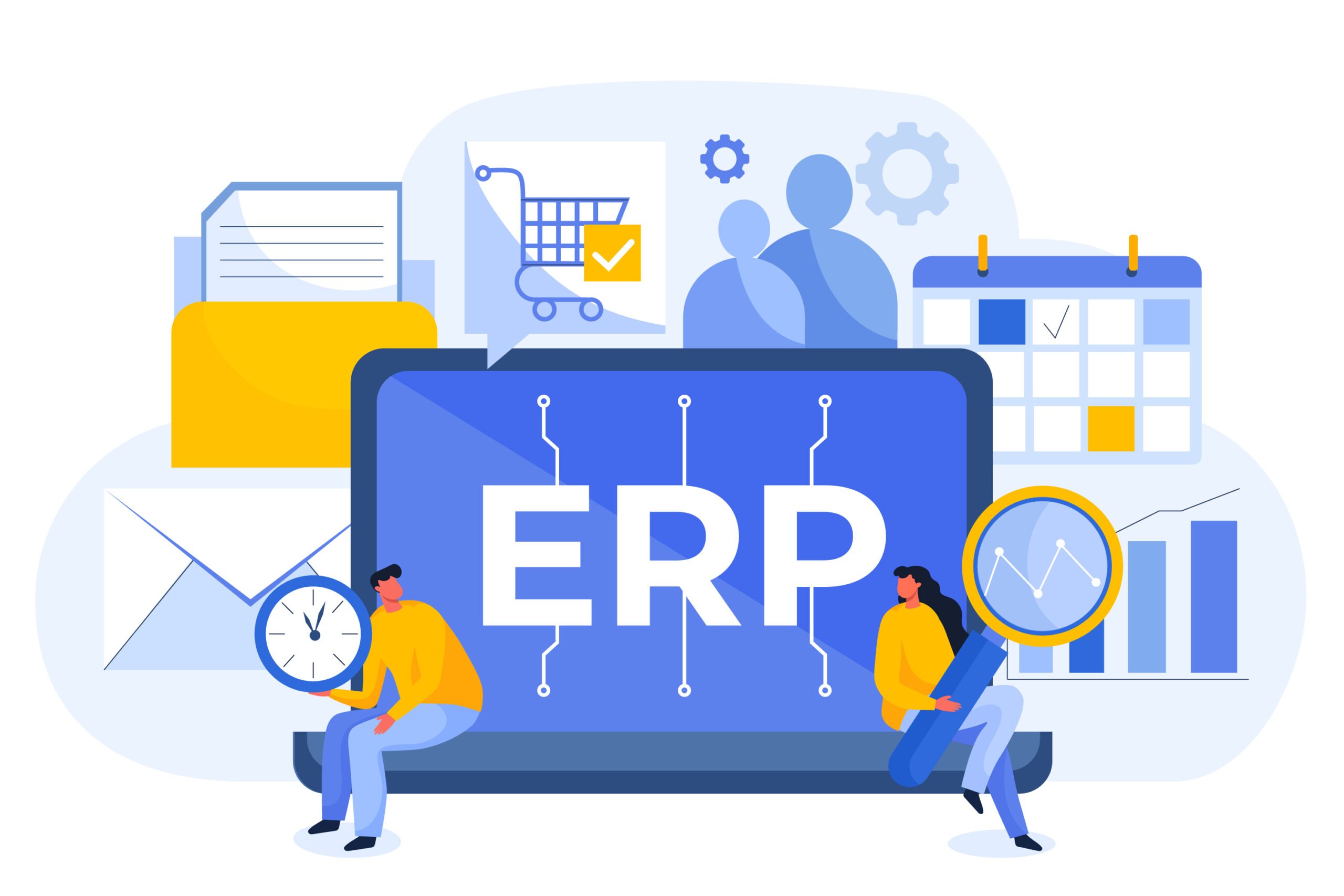
As ERP systems mature, they are moving beyond their foundational roles to offer sophisticated functionalities that are fundamentally reshaping how businesses manage their finances. This evolution is driven by technological advancements and the increasing demand for more agile, insightful, and automated financial operations. The focus is shifting from mere transaction recording to proactive financial strategy and predictive insights.The ongoing development of ERP systems is significantly enhancing financial management by integrating cutting-edge technologies and adapting to a dynamic business environment.
This section delves into the advanced features and future directions that are defining modern financial practices through ERP.
Cloud-Based ERP Revolutionizing Accessibility and Scalability
Cloud-based ERP solutions are fundamentally altering the landscape of accounting departments by offering unprecedented accessibility and scalability. This shift from on-premise systems to cloud infrastructure provides businesses of all sizes with greater flexibility, reduced IT overhead, and the ability to scale resources up or down based on demand. For accounting teams, this means real-time access to financial data from any location with an internet connection, fostering collaboration and enabling remote workforces.
The subscription-based model of cloud ERP also lowers the initial capital expenditure, making advanced financial management tools accessible to small and medium-sized enterprises (SMEs) that might have previously found traditional ERP systems cost-prohibitive. Furthermore, cloud providers handle infrastructure maintenance, security updates, and backups, allowing accounting departments to concentrate on strategic financial analysis rather than IT management. The inherent scalability of cloud platforms ensures that as a business grows, its ERP system can seamlessly expand to accommodate increased transaction volumes, new subsidiaries, or expanded reporting requirements without significant hardware investments or lengthy implementation cycles.
This agility is crucial in today’s fast-paced economic climate, allowing businesses to adapt quickly to market changes and seize new opportunities.
Business Intelligence and Analytics for Enhanced Decision-Making
The integration of business intelligence (BI) and advanced analytics within ERP accounting modules is transforming raw financial data into actionable insights, thereby empowering enhanced decision-making. These capabilities allow finance professionals to move beyond historical reporting to understand trends, identify anomalies, and forecast future financial performance with greater accuracy.Modern ERP systems typically offer robust BI tools that can:
- Visualize financial data through interactive dashboards and reports, making complex information easily digestible.
- Perform trend analysis on revenue, expenses, and cash flow to identify patterns and predict future outcomes.
- Conduct variance analysis to understand deviations from budget or forecast, enabling timely corrective actions.
- Segment financial data by product, customer, region, or other dimensions to uncover profitability drivers and areas for improvement.
- Support scenario planning and “what-if” analyses to evaluate the financial impact of different business decisions.
For instance, a retail company can leverage its ERP’s BI tools to analyze sales performance by store and product category, identifying which items are most profitable and where inventory levels might need adjustment, directly impacting purchasing and marketing strategies.
Automation and Artificial Intelligence Streamlining Complex Tasks
Automation and Artificial Intelligence (AI) are increasingly being embedded into ERP accounting modules, significantly streamlining complex and time-consuming tasks, thereby enhancing efficiency and accuracy. These technologies are not just about reducing manual effort; they are about augmenting human capabilities and allowing finance professionals to focus on higher-value strategic activities.Examples of automation and AI in ERP accounting include:
- Automated Invoice Processing: AI-powered optical character recognition (OCR) and machine learning algorithms can extract data from invoices, match them with purchase orders, and initiate approval workflows, drastically reducing manual data entry and potential errors.
- Intelligent Bank Reconciliation: AI can learn patterns in bank transactions and automatically match them with ERP entries, flagging exceptions for human review, thereby accelerating the reconciliation process.
- Predictive Cash Flow Management: Machine learning models analyze historical cash inflows and outflows, along with external factors, to provide more accurate cash flow forecasts, enabling better liquidity management.
- Automated Journal Entries: Routine and recurring journal entries, based on predefined rules and triggers, can be automatically generated, saving time and ensuring consistency.
- Fraud Detection: AI algorithms can analyze transaction patterns to identify anomalies indicative of potential fraud, such as unusual transaction amounts, timings, or vendor activity, prompting further investigation.
A notable example is how large corporations are using AI to analyze millions of transactions for suspicious patterns that might indicate internal fraud or external cyber threats, a task that would be nearly impossible for human accountants to perform manually.
Impact of Regulatory Compliance and Evolving Accounting Standards
The dynamic nature of regulatory compliance and evolving accounting standards profoundly impacts the development and ongoing updates of ERP systems. As global and local regulations shift, and accounting principles are refined, ERP systems must be adapted to ensure that businesses remain compliant and that their financial reporting accurately reflects these changes.Key impacts include:
- Continuous Updates: ERP vendors must regularly update their software to incorporate new accounting standards (e.g., IFRS 17 for insurance, new lease accounting standards) and regulatory requirements (e.g., data privacy laws like GDPR, tax regulations).
- Enhanced Audit Trails: Systems need to provide robust audit trails, documenting every transaction, modification, and access, which is critical for compliance and internal controls.
- Localization: ERP solutions must support country-specific accounting rules, tax calculations, and reporting formats to cater to businesses operating in multiple jurisdictions.
- Data Security and Privacy: Increased focus on data protection means ERP systems must incorporate advanced security features and comply with data privacy regulations, ensuring sensitive financial information is protected.
- Sustainability Reporting: With the growing importance of Environmental, Social, and Governance (ESG) reporting, ERP systems are evolving to track and report on non-financial metrics, integrating sustainability data into financial statements.
For instance, the implementation of new revenue recognition standards (ASC 606/IFRS 15) required significant modifications to how revenue is recorded and reported, necessitating updates to the revenue modules of most ERP systems.
Potential Future Innovations in ERP Accounting, Erp system accounting
The future of ERP accounting is poised for even more transformative innovations, driven by advancements in technology and the increasing demand for sophisticated financial insights and proactive risk management. These innovations aim to make financial management more intelligent, predictive, and resilient.Potential future innovations include:
- Predictive Forecasting: Moving beyond historical analysis, advanced AI and machine learning will enable highly accurate predictive forecasting for revenue, expenses, cash flow, and even market trends, allowing for more strategic planning and proactive resource allocation. For example, an ERP might predict a slowdown in a specific market segment months in advance, allowing a company to adjust its inventory or marketing strategies accordingly.
- Advanced Fraud Detection Mechanisms: AI will evolve to detect increasingly sophisticated fraud schemes by analyzing vast datasets for subtle anomalies, identifying complex patterns of collusion, or predicting potential internal control breaches before they occur.
- Hyper-Personalized Reporting: ERP systems will offer highly customized reporting dashboards and insights tailored to the specific roles and responsibilities of individual users, delivering the most relevant financial information at the point of need.
- Natural Language Processing (NLP) for Financial Queries: Users will be able to interact with their ERP system using natural language, asking complex financial questions and receiving immediate, accurate answers, making data more accessible to non-finance professionals.
- Real-time, Continuous Auditing: AI-powered systems will conduct continuous auditing of transactions in real-time, identifying compliance issues or potential errors as they happen, rather than during periodic audits.
The development of AI that can autonomously identify and flag potential accounting errors or compliance breaches in real-time represents a significant leap towards a more proactive and self-correcting financial management system.
Conceptual Model: ERP Accounting Synergy with Blockchain
A conceptual model illustrating the synergy between an ERP’s accounting functions and emerging technologies like blockchain for secure transactions highlights a future where financial processes are not only efficient but also exceptionally transparent and tamper-proof. Blockchain technology, with its distributed ledger, immutability, and cryptographic security, offers a robust foundation for enhancing trust and integrity within ERP accounting.In this conceptual model:
- Secure Transaction Recording: All financial transactions recorded within the ERP system could be simultaneously logged onto a private or permissioned blockchain. This means every invoice, payment, journal entry, and financial reconciliation would be a permanent, unalterable record.
- Enhanced Auditability and Traceability: The blockchain ledger provides an immutable audit trail, making it virtually impossible to alter or delete past transactions without consensus from network participants. This drastically simplifies audits and enhances regulatory compliance, as auditors can have direct, verifiable access to transaction history.
- Smart Contracts for Automated Processes: Smart contracts, self-executing contracts with the terms of the agreement directly written into code, can be integrated with ERP accounting. For example, a payment could be automatically released from the ERP to a vendor once specific conditions, like delivery confirmation, are met and verified on the blockchain.
- Improved Supply Chain Finance: By integrating ERP accounting with blockchain, companies can achieve greater transparency in supply chain transactions. This allows for more efficient financing options, as lenders can verify the authenticity and progress of transactions in real-time, reducing risk and potentially lowering financing costs.
- Intercompany Reconciliation: For multinational corporations, blockchain can facilitate seamless and secure reconciliation of transactions between different legal entities within the ERP system, reducing disputes and speeding up the closing process.
Imagine a scenario where a purchase order is initiated in the ERP, triggering a smart contract on a blockchain. Upon verified delivery of goods, the smart contract automatically executes the payment from the ERP’s bank interface, with all steps immutably recorded on the blockchain. This eliminates manual reconciliation, reduces payment delays, and provides irrefutable proof of transaction for all parties involved.
Differentiating between various ERP system accounting approaches and their suitability for distinct organizational requirements.
Choosing the right ERP accounting system is a critical decision that hinges on understanding the diverse deployment models, functional scopes, and cost structures available. This section delves into the nuances of these approaches, providing a framework for organizations to align their ERP accounting solutions with their unique operational needs and strategic objectives. By dissecting the differences between on-premise, cloud, and hybrid models, specialized versus general-purpose systems, and modular versus integrated suites, businesses can make informed choices that optimize financial management and reporting.
On-Premise, Cloud, and Hybrid ERP Deployment Models for Accounting
The deployment model of an ERP system significantly impacts its accounting functionalities, influencing factors like upfront investment, ongoing maintenance, scalability, and accessibility. On-premise solutions, where the ERP software and data are hosted on the organization’s own servers, offer maximum control and customization. For accounting, this means direct access to server infrastructure, enabling deep integration with existing IT systems and stringent data security protocols.
However, it requires substantial initial capital expenditure for hardware, software licenses, and IT personnel, along with ongoing costs for maintenance, upgrades, and support. This model is often favored by large enterprises with complex, highly specific accounting requirements and robust in-house IT capabilities.Cloud-based ERP systems, on the other hand, are hosted by a third-party vendor and accessed over the internet. This Software-as-a-Service (SaaS) model dramatically reduces upfront costs, shifting expenses to a predictable subscription fee.
Cloud ERPs typically offer greater scalability, allowing businesses to easily add or remove users and functionalities as their needs evolve. Accounting modules in cloud solutions benefit from automatic updates and maintenance handled by the vendor, reducing the burden on internal IT teams. Accessibility is a key advantage, enabling finance teams to access financial data and perform tasks from anywhere with an internet connection, which is particularly beneficial for remote or geographically dispersed organizations.
However, customization options might be more limited compared to on-premise solutions, and data security relies heavily on the vendor’s infrastructure and protocols.Hybrid ERP models represent a blend of both on-premise and cloud approaches, aiming to leverage the benefits of each. For accounting, this could mean hosting core financial data on-premise for enhanced control and security while utilizing cloud-based modules for less sensitive functions like payroll or expense management.
This model offers flexibility, allowing organizations to address specific security or integration needs while benefiting from the scalability and cost-effectiveness of cloud solutions for other areas. The complexity lies in managing the integration between on-premise and cloud components, which requires careful planning and robust IT infrastructure. The suitability of each model depends on an organization’s existing IT landscape, budget, security posture, and desired level of control over its financial data.
Specialized Accounting ERPs vs. General-Purpose ERPs with Integrated Accounting Modules
The distinction between specialized accounting ERPs and general-purpose ERPs with integrated accounting modules lies in their primary focus and breadth of functionality. Specialized accounting ERPs are designed from the ground up with financial management as their core competency. They typically offer a deeper, more granular set of accounting features, including advanced financial reporting, complex tax management, intricate budgeting and forecasting tools, and specialized compliance modules tailored to specific regulatory environments.
Obtain direct knowledge about the efficiency of enterprise resource planning through case studies.
These systems are ideal for organizations whose primary business operations are heavily reliant on sophisticated financial management, such as financial institutions, large multinational corporations with complex intercompany accounting, or companies in highly regulated industries. Their strength lies in their depth of accounting functionality, often providing superior capabilities in areas like cost accounting, asset management, and treasury management.General-purpose ERPs, conversely, are designed to manage a wide range of business processes across an organization, including finance, human resources, supply chain, manufacturing, and customer relationship management.
Their accounting modules are integrated within this broader framework, offering a comprehensive suite of tools for day-to-day financial operations like general ledger, accounts payable, accounts receivable, and basic reporting. The advantage of these systems is their ability to provide a unified view of business operations, facilitating cross-departmental collaboration and data flow. For many small to medium-sized businesses (SMBs) or organizations with less complex accounting needs, an integrated accounting module within a general-purpose ERP offers a cost-effective and efficient solution.
It eliminates the need for separate accounting software and ensures that financial data is consistent with other operational data. The trade-off is that the accounting functionalities might not be as deep or specialized as those found in dedicated accounting ERPs, potentially requiring workarounds or third-party integrations for highly specific requirements.
Modular ERP Accounting Components vs. All-in-One Integrated Suites
Organizations often face the decision of whether to adopt a modular approach to their ERP accounting or opt for an all-in-one integrated suite. Modular ERP accounting components allow businesses to select and implement specific accounting modules based on their immediate needs, such as general ledger, accounts payable, accounts receivable, or fixed assets. This approach offers significant flexibility and cost control, as organizations can start with essential modules and gradually add more as their requirements grow or their budget allows.
It’s particularly beneficial for companies that have specific pain points in certain areas of their accounting processes and want to address them incrementally. Modular systems can also be easier to implement and customize, as they deal with a smaller scope of functionality. However, managing multiple modules from potentially different vendors or even within the same suite can lead to integration challenges and data silos if not carefully planned.
Ensuring seamless data flow and consistency across modules becomes paramount.An all-in-one integrated ERP accounting suite, on the other hand, provides a comprehensive and cohesive set of accounting functionalities within a single system. This approach ensures that all financial data is centralized and flows seamlessly between different modules, offering a single source of truth. The benefits include enhanced data integrity, simplified reporting, and improved operational efficiency due to the unified nature of the system.
Implementing an all-in-one suite typically offers a more streamlined user experience and reduces the complexity of managing multiple software components. However, the upfront investment is generally higher, and the implementation process can be more extensive. Furthermore, organizations might find themselves paying for functionalities they don’t immediately need, and customization options might be more constrained compared to a modular approach, as the suite is designed to cater to a broad range of common accounting needs.
The choice between modular and integrated depends on an organization’s strategic priorities, budget, timeline, and appetite for managing complexity versus seeking comprehensive, unified functionality.
Leveraging Specific ERP Accounting Features by Industry Sector
Different industry sectors have unique financial management requirements, leading them to leverage specific ERP accounting features in distinct ways. In the manufacturing sector, ERP accounting is crucial for managing complex cost accounting, including work-in-progress tracking, bill of materials (BOM) costing, and overhead allocation. Features like inventory valuation methods (e.g., FIFO, LIFO, weighted average), standard costing, and variance analysis are vital for controlling production costs and ensuring profitability.
Advanced modules for managing fixed assets, such as machinery and equipment, and their depreciation are also heavily utilized. The ability to integrate financial data with production schedules and supply chain operations provides real-time insights into the cost of goods sold (COGS) and overall manufacturing efficiency.The retail sector heavily relies on ERP accounting for managing sales transactions, inventory turnover, and customer accounts.
Features such as point-of-sale (POS) integration, real-time sales reporting, sales tax calculation and remittance, and accounts receivable management for credit sales are paramount. Managing promotional discounts, returns, and customer loyalty programs also requires sophisticated accounting capabilities. Furthermore, inventory management within retail ERPs, including stock levels, reorder points, and obsolescence tracking, directly impacts financial reporting, particularly in determining inventory valuation and potential write-downs.
The ability to forecast sales and manage cash flow effectively is critical for seasonal businesses.For the services sector, ERP accounting often focuses on project-based accounting, time and expense tracking, and client billing. Features that enable project cost tracking, revenue recognition based on project milestones or completion, and accurate invoicing are essential. Time and expense management modules allow for the capture of billable hours and expenses, which are then seamlessly integrated into the billing process.
Examine how best ap automation software for small business can boost performance in your area.
Managing accounts receivable for service contracts and ensuring timely payment collection are also key concerns. Furthermore, many service-based businesses utilize ERP accounting for budgeting and forecasting based on project pipelines and resource allocation, ensuring profitability and efficient resource utilization.
Cost-Benefit Considerations When Choosing an ERP System with Particular Accounting Capabilities
The decision to invest in an ERP system with specific accounting capabilities is intrinsically linked to a thorough cost-benefit analysis. The costs associated with ERP accounting solutions can be broadly categorized into initial acquisition costs, implementation expenses, ongoing operational costs, and potential hidden costs. Initial acquisition costs include software licenses (for on-premise) or subscription fees (for cloud), hardware infrastructure, and database licenses.
Implementation costs encompass consulting fees for system setup, data migration, customization, training, and change management. Ongoing operational costs include software maintenance and support fees, IT staff salaries for system administration, and potential costs for future upgrades or module additions. Hidden costs can arise from unexpected customization needs, data integration issues, or the need for additional third-party software to bridge functional gaps.The benefits derived from a well-chosen ERP accounting system are manifold and can significantly outweigh the costs.
These include enhanced accuracy and reliability of financial data, leading to better decision-making and reduced risk of errors. Improved efficiency and automation of accounting processes, such as accounts payable and receivable processing, journal entries, and financial statement generation, free up valuable resources and reduce operational overhead. Greater visibility into financial performance through real-time reporting and analytics enables proactive management of cash flow, profitability, and financial risks.
Enhanced compliance with regulatory requirements, such as GAAP or IFRS, and streamlined audit processes are also significant advantages. Furthermore, the integration of financial data with other business functions provides a holistic view of the organization’s performance, facilitating strategic planning and growth. The key is to quantify these benefits as much as possible, such as through reduced processing times, decreased error rates, improved inventory turns, or faster collection cycles, and compare them against the total cost of ownership over the system’s lifecycle.
Comparison of Typical ERP Accounting Solutions
To illustrate the differences in features and cost structures, consider the following comparison of three hypothetical ERP accounting solutions. These are representative examples, and actual offerings can vary significantly.
| Feature | ERP Solution A (Cloud SMB Focus) | ERP Solution B (On-Premise Enterprise) | ERP Solution C (Hybrid Mid-Market) |
|---|---|---|---|
| Core Accounting Modules | General Ledger, Accounts Payable, Accounts Receivable, Basic Fixed Assets, Bank Reconciliation, Sales Tax. Strong emphasis on ease of use and quick setup. | Comprehensive General Ledger, Advanced Accounts Payable/Receivable, Fixed Asset Management (detailed depreciation schedules, asset tracking), Project Accounting, Cost Accounting, Multi-currency Management, Intercompany Accounting, Advanced Budgeting and Forecasting. | Core General Ledger, AP/AR, Fixed Assets. Cloud-based modules for Expense Management and Payroll. On-premise for sensitive financial data consolidation and reporting. |
| Reporting Capabilities | Standard financial statements (Balance Sheet, Income Statement, Cash Flow), customizable basic reports, sales and AR aging reports. Dashboard views for key financial metrics. | Highly customizable financial reporting, operational reports, management reports, statutory reporting, ad-hoc reporting tools, drill-down capabilities to transaction level, financial dashboards, business intelligence integration. | Standard financial reports, customizable reports from both cloud and on-premise components, integrated reporting tools that combine data from different modules, real-time dashboards. |
| Integration Options | Pre-built integrations with common SMB applications (e.g., CRM, e-commerce platforms), API access for custom integrations. | Extensive integration capabilities with other enterprise systems (e.g., SCM, CRM, manufacturing execution systems), often requiring custom development or middleware. Robust API support. | Integration between cloud and on-premise components is a core feature. APIs for connecting to third-party applications. |
| Typical Cost Range | $50 – $200 per user per month (subscription-based). Implementation typically $5,000 – $25,000. | $50,000 – $500,000+ upfront for licenses, plus significant implementation costs ($50,000 – $500,000+). Annual maintenance/support typically 15-20% of license cost. | $100 – $300 per user per month (subscription for cloud components), plus upfront costs for on-premise infrastructure and implementation. Implementation can range from $20,000 – $150,000+. |
Closing Notes
In conclusion, understanding and implementing an ERP system accounting solution is paramount for businesses seeking to optimize their financial management. From navigating integration challenges and strategic implementation to exploring advanced capabilities and future trajectories, ERP systems are continuously evolving to meet the demands of a dynamic financial landscape. By embracing these powerful tools, organizations can achieve greater efficiency, enhanced decision-making, and a more robust financial future.
Frequently Asked Questions
What is the primary benefit of using an ERP system for accounting?
The primary benefit is the integration of financial data with other business operations, providing a single source of truth and enabling real-time visibility across the organization.
How does an ERP system improve financial reporting?
ERP systems automate data collection and processing, reduce manual errors, and offer sophisticated reporting tools, leading to more accurate, timely, and insightful financial statements.
Can an ERP system handle multiple currencies and tax regulations?
Yes, most modern ERP systems are designed to accommodate multi-currency transactions and can be configured to comply with various international and local tax regulations.
What is the typical implementation time for an ERP accounting module?
Implementation time varies significantly based on the complexity of the business, the chosen ERP system, and the extent of customization, but it can range from a few months to over a year.
Are ERP systems suitable for small businesses?
Yes, there are many ERP solutions tailored for small businesses that offer essential accounting functionalities without the complexity and cost of enterprise-level systems.