Continuity planning software is the cornerstone of modern business resilience, offering a structured approach to navigating the unpredictable landscape of disruptions. This sophisticated digital framework is meticulously designed to safeguard operations, ensuring that essential business processes remain functional even in the face of unforeseen crises. By providing a comprehensive suite of tools, it empowers organizations to proactively identify risks, develop robust response strategies, and maintain critical functions, thereby minimizing downtime and protecting vital assets.
At its core, continuity planning software serves as a central nervous system for an organization’s resilience efforts. It meticulously Artikels the fundamental purpose of a digital framework for business continuity, which is to safeguard operations against unforeseen disruptions. The software’s primary objectives revolve around maintaining essential business processes during crises, ensuring that operations can continue with minimal interruption. This involves a detailed understanding of the critical components that comprise a robust continuity planning solution, including sophisticated risk assessment modules, streamlined incident response orchestration, and efficient communication tools that keep all stakeholders informed and coordinated.
The fundamental purpose of a digital framework for business continuity is to safeguard operations against unforeseen disruptions.: Continuity Planning Software
In today’s dynamic business environment, the ability to withstand and recover from unexpected events is paramount. A digital framework for business continuity is not merely a reactive measure but a proactive strategy designed to ensure that an organization can continue its essential functions even when faced with significant challenges. This framework leverages technology to create resilience, minimizing downtime and protecting critical assets, data, and personnel.
Its ultimate goal is to maintain operational integrity, preserve customer trust, and safeguard the organization’s reputation and financial stability in the face of adversity.Effective continuity planning software acts as the cornerstone of this digital framework. It provides the tools and processes necessary to identify potential threats, assess their impact, and develop comprehensive strategies for mitigation and recovery. The primary objectives of such software revolve around ensuring the swift resumption of critical business processes, thereby preventing catastrophic losses.
This includes maintaining access to essential data, enabling communication channels, and facilitating the redeployment of resources to alternative locations or systems as needed. By automating and streamlining these complex processes, the software empowers organizations to respond decisively and efficiently when disruptions occur, significantly reducing the duration and severity of any impact.
Core Functionalities and Primary Objectives of Continuity Planning Software
The core functionalities of effective continuity planning software are designed to provide a holistic approach to business resilience. At its heart, the software aims to enable an organization to anticipate, prepare for, respond to, and recover from disruptive events. This involves a suite of integrated features that work in concert to build and maintain a robust continuity posture. One of the most fundamental functions is risk assessment and business impact analysis (BIA).
This module allows organizations to systematically identify potential threats, ranging from natural disasters and cyberattacks to supply chain failures and pandemics. It then quantifies the potential impact of these threats on critical business processes, helping to prioritize recovery efforts based on the severity of the potential damage. Following the BIA, the software facilitates the development of business continuity plans (BCPs) and disaster recovery plans (DRPs).
Remember to click best general ledger software to understand more comprehensive aspects of the best general ledger software topic.
These plans Artikel specific strategies, procedures, and responsibilities for maintaining or restoring operations.Another critical functionality is incident response orchestration. This feature provides a structured workflow for managing a crisis. It guides response teams through predefined steps, assigns tasks, tracks progress, and ensures that all necessary actions are taken in a timely manner. This includes activating recovery sites, restoring data from backups, and bringing essential systems back online.
Communication tools are also integral, enabling seamless and secure communication among stakeholders, including employees, management, customers, and external partners, during an incident. This ensures that everyone is informed, coordinated, and can act according to the plan. Furthermore, the software often includes resource management capabilities, helping organizations track and allocate the necessary personnel, equipment, and facilities for recovery efforts. Testing and exercise management is also a key function, allowing organizations to regularly validate their plans through simulations and drills, identifying gaps and areas for improvement.
The primary objectives are clear: to minimize downtime, protect data integrity, maintain operational capacity, safeguard employees, preserve customer service, and ultimately, ensure the survival and long-term viability of the business.
Critical Components of a Robust Continuity Planning Solution
A robust continuity planning solution is built upon several interconnected critical components that work synergistically to achieve the overarching goal of business resilience. The foundation of any effective solution lies in its risk assessment and business impact analysis (BIA) module. This component is crucial for identifying potential threats, understanding their likelihood, and determining their potential impact on various business processes, systems, and resources. It helps organizations prioritize which areas require the most immediate attention and investment in terms of continuity planning.
Following the identification of risks and their impacts, the next critical component is the planning and strategy development module. This is where the actual continuity plans are created, documented, and maintained. It allows for the definition of recovery objectives, such as recovery time objectives (RTOs) and recovery point objectives (RPOs), and Artikels the specific strategies and procedures required to achieve them.The incident response and management module is vital for orchestrating the immediate actions taken when a disruptive event occurs.
This component typically includes features for incident declaration, team activation, task assignment, progress tracking, and escalation management. It provides a structured framework for navigating the crisis effectively. Crucially, communication and notification tools are integrated to ensure that all relevant parties – employees, management, stakeholders, and even external agencies – are kept informed during an incident. This can include automated alerts, status updates, and secure messaging capabilities.
Resource management and inventory tracking is another key component, allowing organizations to maintain an up-to-date record of critical assets, personnel, and facilities, and to facilitate their reallocation or activation during a recovery effort. Testing, training, and exercise management is indispensable for validating the effectiveness of the plans and ensuring that response teams are well-prepared. This component enables organizations to conduct simulations, drills, and tabletop exercises, identify weaknesses, and refine their strategies.
Finally, reporting and analytics capabilities provide insights into the organization’s continuity posture, the effectiveness of past responses, and areas for continuous improvement. These components, when integrated seamlessly, form a comprehensive and effective continuity planning solution.
Conceptual Diagram of Component Interconnectedness
Imagine a central hub, representing the Continuity Planning Software Platform. This hub is the core of the entire ecosystem, facilitating the flow of information and actions between all its constituent parts. Radiating from this hub are several interconnected modules, each playing a distinct but vital role.At the first level, directly connected to the hub, are the foundational modules: Risk Assessment & BIA and Planning & Strategy Development.
The Risk Assessment & BIA module feeds its findings into the Planning & Strategy Development module, identifying critical assets, processes, and potential threats. This informs the creation of detailed Business Continuity Plans (BCPs) and Disaster Recovery Plans (DRPs) within the Planning module.Next, we have the operational modules: Incident Response & Management and Communication & Notification. When an incident is declared, it triggers the Incident Response module, which pulls relevant information from the BCPs and DRPs stored in the Planning module.
The Incident Response module then initiates actions, which are communicated to relevant personnel via the Communication & Notification module. This module also receives input from the Incident Response module to disseminate updates and status reports.Further supporting these are the Resource Management & Inventory Tracking and Testing, Training & Exercise Management modules. The Resource Management module provides real-time data on available assets and personnel, which the Incident Response module can draw upon during an event.
Conversely, the Incident Response module might highlight resource gaps that inform updates to the Resource Management module. The Testing module regularly interacts with all other modules; it uses the plans from the Planning module, simulates incident scenarios to test the Incident Response and Communication modules, and can identify shortfalls in resource availability by querying the Resource Management module.Finally, the Reporting & Analytics module acts as a feedback loop, drawing data from all other modules.
It analyzes the outcomes of tests, the efficiency of incident responses, the accuracy of risk assessments, and the completeness of plans to provide insights for continuous improvement, feeding back into the Risk Assessment and Planning modules.User interaction points are ubiquitous. Administrators configure the system, define risks, and build plans. Response team members receive alerts, execute tasks, and report progress via the Incident Response and Communication modules.
Employees might access information or receive instructions through the Communication module. Management can view dashboards and reports generated by the Reporting module. Data flows from identification of risks, to planning, to execution during an incident, to communication, and finally to analysis and refinement, creating a continuous cycle of preparedness and improvement.
Real-World Scenarios of Software Mitigation
The tangible impact of continuity planning software is best illustrated through real-world scenarios where its implementation has demonstrably mitigated the effects of significant business interruptions. One prominent example comes from the financial services industry. A large multinational bank experienced a sophisticated ransomware attack that encrypted critical customer transaction data. Without a robust continuity plan and the associated software, the bank faced the prospect of prolonged system downtime, potentially leading to massive financial losses, regulatory fines, and irreparable damage to customer trust.
However, their continuity planning software, specifically its incident response orchestration and automated data recovery features, enabled them to swiftly isolate the affected systems, activate their secure backup repositories, and restore operations within a significantly reduced timeframe. The software’s communication tools also ensured that customers were kept informed about the situation and the steps being taken to resolve it, thereby managing expectations and minimizing panic.In the healthcare sector, a major hospital network faced a severe influenza pandemic that threatened to overwhelm its capacity.
The continuity planning software played a crucial role in managing the crisis by facilitating rapid resource reallocation. The software’s BIA identified critical patient care functions and the resources required to support them. When the pandemic hit, the software allowed the hospital administrators to quickly identify underutilized facilities, reassign staff from non-critical departments, and procure necessary medical supplies through pre-negotiated vendor agreements, all managed and tracked within the system.
The communication module ensured seamless coordination between different hospital units and with public health authorities, enabling a more effective response to the surge in patients.Another compelling case involves a global manufacturing company that suffered a major disruption to its primary production facility due to an unexpected and severe weather event. The facility housed critical manufacturing equipment and a significant portion of the company’s inventory.
The continuity planning software, particularly its supply chain risk assessment and alternative sourcing capabilities, allowed the company to quickly identify alternative suppliers and reroute logistics to a secondary, less affected facility. The incident response module facilitated the rapid deployment of key personnel to oversee the transition, and the communication tools kept all stakeholders, including suppliers and customers, updated on production schedules and delivery timelines.
This proactive use of the software minimized production delays and prevented significant revenue loss, demonstrating its value in preserving operational continuity even under extreme circumstances. These examples highlight how specialized software moves business continuity from a theoretical concept to a practical, actionable strategy that directly protects an organization’s viability.
Implementing a continuity planning software necessitates a structured approach to data integration and system configuration.
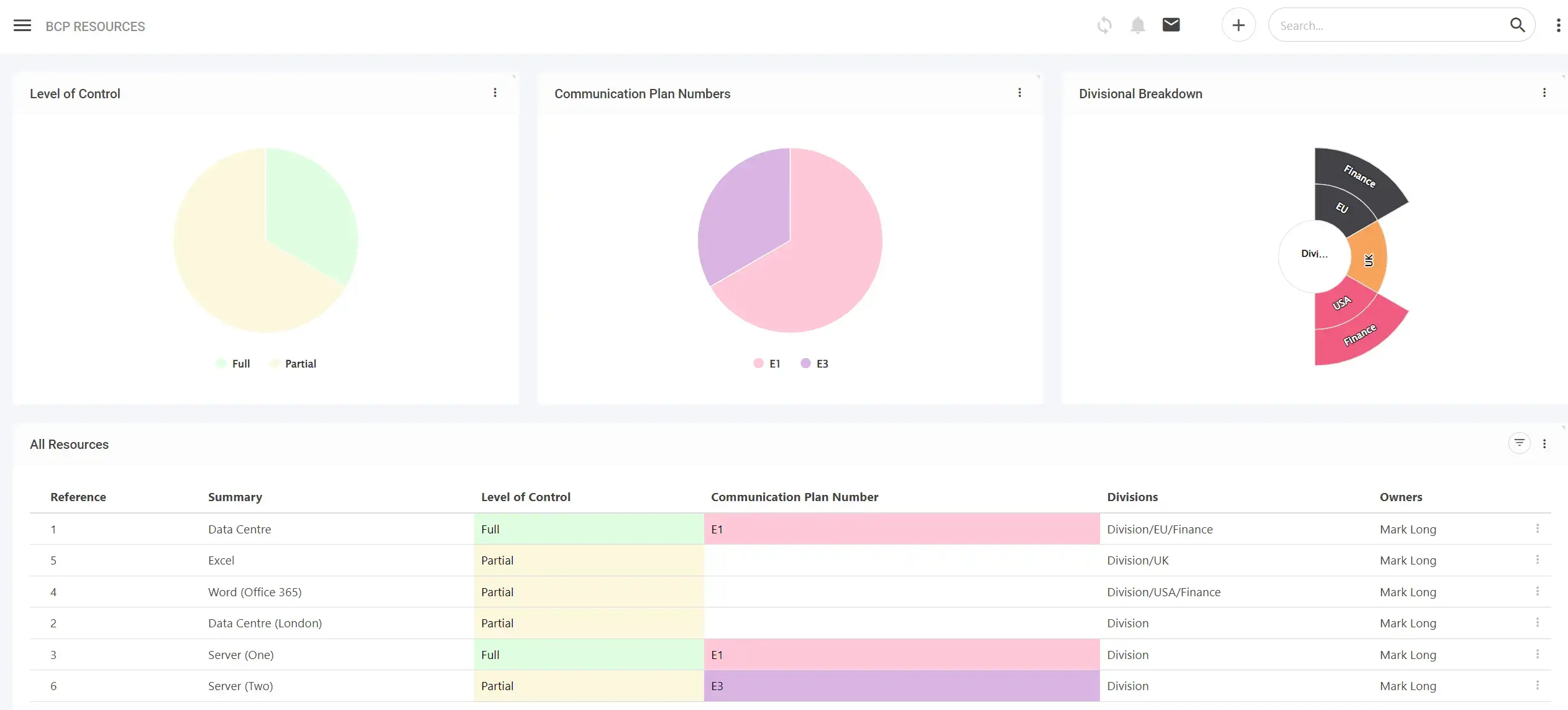
Migrating existing business continuity plans and data into a new software platform is a critical phase that requires meticulous planning and execution. This process is not merely about transferring files; it’s about transforming legacy information into a dynamic, actionable format within the new system. A well-executed migration ensures that the continuity planning software becomes a central, reliable source of truth for all disaster recovery and business resilience efforts.
The success of this migration directly impacts the organization’s ability to respond effectively when disruptions occur.The initial step in this migration is a thorough audit and inventory of all existing business continuity documentation. This includes identifying current plans, recovery procedures, contact lists, asset inventories, and any associated data that supports these elements. Following this, a data cleansing and standardization process is essential.
Inconsistent formats, outdated information, and redundant entries can significantly hinder the effectiveness of the new software. Best practices involve creating a standardized template for data entry that aligns with the software’s structure. This often requires cross-departmental collaboration to ensure all critical information is captured accurately.
Procedural Steps for Data Migration and System Configuration
Migrating existing business continuity plans and data into a new software platform involves a systematic, multi-stage process designed to ensure accuracy, completeness, and usability. This approach minimizes the risk of data loss or corruption and maximizes the value derived from the new investment.The procedural steps typically begin with a comprehensive assessment of existing business continuity documentation. This involves identifying all current plans, recovery strategies, contact information, asset inventories, vendor details, and any other relevant data.
Following this inventory, a data cleansing and standardization phase is crucial. Existing data may be inconsistent in format, outdated, or contain inaccuracies. Therefore, a rigorous process of cleaning, validating, and standardizing this information is undertaken. This often involves establishing common data fields and formats that will be compatible with the new software’s architecture.Next, a strategic mapping exercise is performed. This involves correlating the existing data fields and documents with the corresponding fields and modules within the new continuity planning software.
This mapping ensures that all relevant information is accurately transferred and categorized. Following the mapping, the actual data import process begins. This can be done in batches, starting with less critical data or pilot sections of the plans, to identify and resolve any issues before a full-scale migration. Data validation checks are performed after each import to confirm the integrity and accuracy of the migrated information.System configuration is intrinsically linked to data migration.
This involves setting up user roles and permissions, defining workflows, configuring notification systems, and customizing dashboards to meet the organization’s specific needs. Integration with existing IT infrastructure, such as directory services for user authentication, is also a key configuration step. Finally, a thorough testing phase is conducted, simulating various disruption scenarios to ensure the software functions as expected and that the migrated data supports effective response and recovery.
User training on the new system is paramount to ensure widespread adoption and proficiency.Potential challenges during this process include resistance to change from staff accustomed to older methods, the sheer volume and complexity of legacy data, and technical integration issues with existing systems. Best practices for a smooth transition involve early and continuous stakeholder engagement, phased migration approaches, robust data validation protocols, and comprehensive user training programs.
Investing in expert consultation for complex migrations can also mitigate risks and accelerate the adoption process.
Departmental Interaction and Utilization of Continuity Planning Software
The effective implementation of a continuity planning software hinges on its ability to foster collaboration and provide tailored functionality for various organizational departments. Each department plays a unique role in developing, maintaining, and executing continuity plans, and the software must accommodate these distinct needs while contributing to a unified resilience strategy.The IT department typically utilizes the software extensively for managing critical infrastructure, systems, and applications.
They are responsible for documenting recovery procedures for hardware, software, networks, and data. This includes defining RTOs (Recovery Time Objectives) and RPOs (Recovery Point Objectives) for their respective domains, detailing backup and restoration processes, and maintaining an up-to-date inventory of IT assets and their dependencies. IT personnel would use the software to trigger IT-specific recovery plans during an incident and to track the progress of system restoration.Human Resources (HR) leverages the software for managing personnel-related aspects of business continuity.
This includes maintaining up-to-date contact information for all employees, identifying key personnel and their roles in recovery efforts, and documenting procedures for remote work arrangements, employee communication during crises, and alternative work locations. HR would use the software to quickly access employee contact details, assign tasks to specific individuals based on their roles, and manage employee well-being during disruptive events.Operations departments, encompassing areas like supply chain, manufacturing, customer service, and logistics, utilize the software to document and manage the continuity of their core business processes.
This involves identifying critical operational functions, dependencies on external suppliers or partners, and defining procedures for resuming operations, managing inventory, and maintaining customer service levels. Operations teams would use the software to activate operational recovery plans, track the status of critical business functions, and coordinate with other departments to ensure a holistic response.Other departments, such as Finance, Legal, and Marketing, also interact with the software.
Finance might use it to document procedures for financial continuity, including access to funds and payroll processing during a disruption. Legal teams would ensure compliance with regulatory requirements and document procedures for legal continuity. Marketing would focus on crisis communication strategies and maintaining brand reputation. The software acts as a central repository, allowing each department to contribute its specialized knowledge while providing a consolidated view of the organization’s overall resilience posture.
This interconnectedness ensures that when a disruption occurs, departments can coordinate their efforts effectively, leveraging the software to execute a unified and comprehensive continuity strategy.
Defining Clear Roles and Responsibilities for Users, Continuity planning software
Establishing well-defined roles and responsibilities within a continuity planning software is fundamental to its effective operation and the success of incident management and recovery efforts. When users understand their specific duties, the process of responding to and recovering from disruptions becomes more organized, efficient, and less prone to confusion or duplication of effort. Clarity in roles ensures accountability and empowers individuals to act decisively within their designated capacities.The continuity planning software should allow for the creation of distinct user profiles, each assigned a specific set of permissions and access levels.
These roles can be granular, ranging from administrators who manage the system’s configuration and user accounts, to plan owners who are responsible for developing and maintaining specific sections of the business continuity plans, to general users who may only need read access to certain information. For instance, a “Crisis Manager” role might have the authority to activate specific recovery plans, assign tasks, and communicate with stakeholders.
An “IT Recovery Lead” role would have access to all IT-related recovery procedures and the ability to initiate IT system restoration.This clear delineation of responsibilities directly translates into more effective incident management. During a crisis, the designated crisis manager can immediately identify and engage the correct personnel based on their roles within the software. Tasks can be assigned with confidence, knowing that the assigned individual has the necessary authority and access to execute them.
For example, if a critical server fails, the system can automatically notify the IT Recovery Lead and provide them with direct access to the relevant server recovery plan and associated checklists. This eliminates the time-consuming process of trying to figure out who is responsible for what, which can be a significant bottleneck during a high-pressure situation.In terms of recovery efforts, defined roles ensure that critical recovery activities are not overlooked and that resources are allocated appropriately.
For example, if a physical facility is damaged, the “Facilities Recovery Coordinator” would be responsible for assessing the damage, coordinating repairs or alternative site arrangements, and ensuring employee safety. Their role is clearly defined within the software, providing them with the necessary information and tools to perform their duties. Furthermore, clear roles facilitate post-incident reviews. By analyzing who performed which actions and when, organizations can identify areas for improvement in their continuity plans and training programs, leading to a more robust and resilient future.
This structured approach, enabled by well-defined user roles, transforms the abstract concept of business continuity into a concrete, actionable framework for protecting the organization.
Sample Data Model for Critical Business Assets, Dependencies, and Recovery Objectives
A robust data model is the backbone of any effective continuity planning software, providing a structured way to represent and manage critical business assets, their interdependencies, and the desired recovery objectives. This model allows organizations to gain a comprehensive understanding of their resilience posture and to prioritize recovery efforts based on business impact. The following sample data model illustrates key entities and their attributes, along with the rationale for their inclusion.The core entities in this model would include:
- Business Asset: This represents any tangible or intangible entity critical to the organization’s operations.
- Asset ID: Unique identifier for each asset.
- Asset Name: Descriptive name of the asset (e.g., “Customer Relationship Management System,” “Main Production Line,” “Headquarters Building”).
- Asset Type: Categorization of the asset (e.g., “Software,” “Hardware,” “Facility,” “Process,” “Data”).
- Criticality Level: A rating (e.g., High, Medium, Low) indicating the asset’s importance to business operations. This is often derived from Business Impact Analysis (BIA).
- Owner Department: The department primarily responsible for the asset.
- Location: Physical or virtual location of the asset.
- Description: Detailed information about the asset’s function and purpose.
- Dependency: This entity defines the relationships between business assets, highlighting how one asset relies on another for its function.
- Dependency ID: Unique identifier for each dependency.
- Dependent Asset ID: The Asset ID of the asset that relies on another.
- Required Asset ID: The Asset ID of the asset that the dependent asset requires.
- Dependency Type: The nature of the dependency (e.g., “Software depends on Hardware,” “Process depends on Software,” “Facility supports IT Infrastructure”).
- Impact of Failure: Description of what happens if the required asset fails for the dependent asset.
- Recovery Objective: This defines the targets for restoring a business asset or process after a disruption.
- Objective ID: Unique identifier for each recovery objective.
- Asset ID (or Process ID): The identifier of the asset or process to which this objective applies.
- Recovery Time Objective (RTO): The maximum acceptable downtime for the asset/process. (e.g., “4 hours,” “24 hours”).
- Recovery Point Objective (RPO): The maximum acceptable data loss measured in time. (e.g., “1 hour,” “1 day”).
- Restoration Priority: The order in which this asset/process should be restored relative to others.
- Recovery Strategy Reference: A link or reference to the documented recovery strategy for this objective.
The rationale behind this data model is to create a comprehensive and interconnected view of the organization’s critical components. By defining assets, their dependencies, and their recovery objectives, organizations can:
- Conduct thorough Business Impact Analyses (BIAs) to understand the cascading effects of disruptions.
- Prioritize recovery efforts based on criticality and dependencies, ensuring that the most vital functions are restored first.
- Develop targeted and effective recovery strategies by understanding what each asset needs to function.
- Automate notifications and task assignments based on dependencies and recovery priorities during an incident.
- Perform scenario planning and risk assessments more effectively.
This structured data model empowers the continuity planning software to provide actionable insights, enabling organizations to proactively build and maintain resilience against a wide range of potential disruptions.
The strategic advantages derived from employing specialized software for business continuity extend beyond mere disaster recovery.

While the immediate impulse for business continuity planning might be to mitigate the impact of catastrophic events, the true value of dedicated software lies in its ability to foster a proactive, integrated, and continuously improving resilience posture. This goes far beyond simply having a backup plan; it’s about embedding resilience into the very fabric of an organization’s operations, enabling it to not only survive disruptions but to emerge stronger and more agile.
Specialized tools provide a centralized hub for all continuity-related information, from risk assessments and business impact analyses to recovery procedures and communication protocols, ensuring a holistic view and coordinated response.The operational benefits of using dedicated continuity planning software significantly outweigh those of relying on manual processes or generic project management tools. Manual methods, often confined to spreadsheets and shared documents, are inherently prone to errors, outdated information, and a lack of real-time visibility.
Imagine a critical system failure occurring; with manual processes, the immediate challenge is locating the correct documentation, identifying responsible personnel, and then manually initiating a series of recovery steps, all while under immense pressure. This process is not only slow and inefficient but also increases the likelihood of overlooking crucial details or making incorrect decisions, prolonging downtime and escalating recovery costs.
Furthermore, manual systems struggle with version control, making it difficult to ensure everyone is working with the most up-to-date plans.Generic project management tools, while useful for task tracking, lack the specialized functionalities essential for business continuity. They are not designed to handle the intricate dependencies between business processes, IT systems, and personnel that are critical during a disruption. For instance, a project management tool might track the task of “restore server,” but it won’t inherently understand the criticality of that server to specific business functions or the pre-defined recovery time objectives (RTOs) and recovery point objectives (RPOs) associated with it.
Dedicated continuity planning software, on the other hand, is built with these concepts at its core. It allows for the mapping of critical business functions to their supporting IT infrastructure and personnel, enabling rapid identification of the most impactful systems and the fastest path to recovery. These platforms often incorporate features for scenario planning, automated notification systems, and post-incident analysis, which are typically absent in general-purpose tools.
This specialized focus translates directly into reduced recovery times, minimized financial losses, enhanced customer trust, and a more robust overall business resilience.
Key performance indicators for measuring continuity planning software effectiveness.
To truly gauge the value and impact of a business continuity planning software, organizations must move beyond qualitative assessments and establish concrete, measurable Key Performance Indicators (KPIs). These metrics provide objective evidence of the software’s contribution to overall business resilience and highlight areas for improvement. Without them, it’s difficult to justify the investment or to demonstrate tangible progress in strengthening the organization’s ability to withstand and recover from disruptions.
Tracking these KPIs allows for data-driven decision-making, ensuring that the continuity planning efforts are aligned with strategic objectives and are yielding the desired outcomes.A comprehensive set of KPIs should encompass various aspects of the continuity planning lifecycle, from preparedness and response to recovery and post-incident review.
- Recovery Time Objective (RTO) Achievement Rate: This KPI measures the percentage of critical business functions and IT systems that are restored within their defined RTOs following a simulated or actual disruption. A high achievement rate indicates that the recovery plans are effective and executable. For example, if a business has defined an RTO of 4 hours for its e-commerce platform, this KPI would track how often that platform is back online within that 4-hour window.
- Recovery Point Objective (RPO) Compliance: This KPI assesses the amount of data loss experienced during a recovery. It is measured against the defined RPO for each critical system. For instance, if the RPO for customer transaction data is 15 minutes, this KPI tracks whether the recovered data is no more than 15 minutes old. Lower data loss signifies more effective backup and recovery strategies facilitated by the software.
- Plan Activation Time: This measures the time elapsed from the declaration of a disruption to the formal activation of the relevant business continuity plans. A shorter activation time, facilitated by clear protocols and accessible plans within the software, indicates efficient incident management and preparedness.
- Communication Effectiveness Score: This KPI evaluates the speed and clarity of communications to all stakeholders (employees, customers, partners, regulators) during a disruption. It can be measured through surveys, post-incident reviews, and the timely dissemination of critical information as managed by the software’s communication modules.
- Frequency of Plan Testing and Validation: Tracking how often continuity plans are tested (e.g., tabletop exercises, simulations) and the success rate of these tests is crucial. Regular, successful tests, often facilitated and documented by the software, build confidence in the plans’ viability.
- Reduction in Downtime Costs: While challenging to isolate solely to the software, this KPI can be estimated by comparing downtime costs before and after the implementation of the continuity planning software, assuming other variables remain constant. This provides a direct financial justification for the software’s investment.
- Number of Identified and Mitigated Risks: This KPI tracks the progress in identifying potential threats and vulnerabilities and the implementation of mitigation strategies, as managed within the software’s risk assessment modules. A proactive approach, evidenced by a decreasing number of high-priority risks over time, signifies effective risk management.
The evolving landscape of continuity planning software and emerging trends.
The realm of business continuity planning software is in a constant state of evolution, driven by advancements in technology and an increasingly complex threat landscape. What was considered cutting-edge a few years ago is now standard, with new innovations emerging that promise to make continuity planning more intelligent, automated, and predictive. These shifts are not merely about incremental improvements; they represent a fundamental change in how organizations approach resilience, moving from reactive recovery to proactive prevention and adaptive response.
The integration of sophisticated analytical capabilities and machine learning is at the forefront of this transformation, empowering organizations with insights and tools that were previously unimaginable.One of the most significant emerging trends is the integration of Artificial Intelligence (AI) and Machine Learning (ML) for advanced risk prediction. Instead of solely relying on historical data and predefined scenarios, AI-powered systems can analyze vast datasets, including global news feeds, social media sentiment, weather patterns, geopolitical events, and cybersecurity threat intelligence, to identify emerging risks in real-time.
This allows organizations to move from a reactive stance to a predictive one, enabling them to anticipate potential disruptions before they occur. For example, an AI system might detect a confluence of factors, such as a predicted severe weather event coupled with increased cyberattack chatter targeting a specific industry, and alert the organization to potential supply chain disruptions or IT infrastructure vulnerabilities.
This predictive capability allows for preemptive actions, such as reinforcing infrastructure, adjusting inventory levels, or enhancing cybersecurity defenses, thereby mitigating the impact of the anticipated disruption.Another transformative trend is automated response generation. Once a risk is identified or a disruption occurs, AI can assist in generating and even initiating response actions. This can range from automatically triggering backup systems and rerouting network traffic to drafting initial communication messages for employees and customers.
For instance, in the event of a ransomware attack, an AI-driven system could quickly analyze the nature of the attack, identify affected systems, and initiate a pre-approved rollback procedure to a clean backup, significantly reducing the time it takes to restore operations. Furthermore, AI can dynamically adjust recovery strategies based on real-time conditions, learning from each incident to optimize future responses.
This adaptive capability ensures that continuity plans remain effective even as the nature of threats evolves. The impact of these trends on future implementations will be profound, leading to more agile, self-optimizing, and resilient organizations. The focus will shift from simply having a plan to actively managing and dynamically adapting to an ever-changing risk environment, making business continuity a continuous, intelligent process rather than a static set of documents.
Considerations for selecting continuity planning software for a mid-sized enterprise.
Choosing the right continuity planning software is a critical decision for any mid-sized enterprise, as it directly impacts the organization’s ability to maintain operations during unforeseen events. The selection process should be thorough and consider a range of factors to ensure the chosen solution aligns with the company’s specific needs, resources, and strategic objectives. For a mid-sized enterprise, balancing robust functionality with cost-effectiveness and ease of implementation is paramount.
Overlooking key aspects can lead to an ineffective solution that fails to provide adequate protection or becomes a burdensome expense.Here are comprehensive considerations for selecting the most suitable continuity planning software:
- Scalability and Flexibility: The software should be able to grow with the enterprise. As the business expands, its continuity needs will evolve. The solution should accommodate increasing numbers of users, business units, critical assets, and complex scenarios without requiring a complete system overhaul. This includes the ability to easily add new modules or functionalities as requirements change.
- Integration Capabilities: Seamless integration with existing IT infrastructure and business applications is crucial. This includes compatibility with cloud services (e.g., AWS, Azure, Google Cloud), on-premises systems, collaboration tools (e.g., Microsoft Teams, Slack), and other relevant enterprise software. Effective integration ensures data consistency and reduces manual data entry, minimizing errors and streamlining workflows. For example, integrating with an HR system can automate the identification of key personnel during a crisis.
- User-Friendliness and Accessibility: The software should have an intuitive interface that is easy for all relevant personnel to understand and use, even under stressful conditions. This includes clear navigation, straightforward data input, and accessible reporting features. Consider the technical proficiency of your team and opt for a solution that requires minimal specialized training. Accessibility across different devices and locations is also important for remote teams or during widespread disruptions.
- Comprehensive Feature Set: Evaluate whether the software offers a complete suite of functionalities required for business continuity management. This typically includes risk assessment and analysis, business impact analysis (BIA), plan development and documentation, scenario planning and testing, incident management and response, communication tools, and post-incident reporting. Ensure the features directly address the identified risks and critical business functions of your enterprise.
- Vendor Support and Training: The quality and responsiveness of vendor support are critical, especially during implementation and in the event of an actual incident. Look for vendors that offer comprehensive training programs, readily available technical support (e.g., 24/7 support, dedicated account managers), and a clear service level agreement (SLA). Understanding the vendor’s track record and customer reviews can provide valuable insights into their support capabilities.
- Cost of Ownership: Beyond the initial licensing fees, consider the total cost of ownership, including implementation costs, training expenses, ongoing maintenance and support fees, and potential upgrade costs. For a mid-sized enterprise, a transparent pricing model and predictable ongoing costs are essential for budgeting.
- Reporting and Analytics: The software should provide robust reporting and analytics capabilities to track key performance indicators, monitor the effectiveness of continuity plans, and identify areas for improvement. Customizable dashboards and detailed reports can help demonstrate compliance and the ROI of the continuity program to senior management.
- Security and Compliance: Given the sensitive nature of the data managed within continuity planning software, robust security measures are non-negotiable. Ensure the vendor adheres to relevant industry security standards and compliance regulations (e.g., GDPR, ISO 27001). Data encryption, access controls, and regular security audits are important features to look for.
- Mobile Accessibility: In a disruptive event, access to plans and communication channels via mobile devices is often critical. The software should offer a well-designed and functional mobile application or responsive web interface.
Proactive identification and mitigation of potential business disruptions are central to the value proposition of continuity planning software.

Continuity planning software transforms reactive disaster recovery into a proactive strategy by equipping organizations with the tools to anticipate, assess, and address potential threats before they escalate into full-blown crises. This shift from remediation to prevention is a cornerstone of modern business resilience, ensuring that operations can withstand and recover swiftly from an array of disruptive events. The software’s core strength lies in its ability to systematically map out vulnerabilities, understand their potential impact, and develop robust strategies to minimize their likelihood and severity.The value proposition of continuity planning software is deeply rooted in its capacity to empower businesses to move beyond simply reacting to disruptions.
It provides a structured, data-driven approach to understanding the intricate web of a business’s operations, identifying critical dependencies, and quantifying the potential fallout from various scenarios. This foresight allows for the allocation of resources more effectively, the development of targeted mitigation strategies, and ultimately, a more resilient and sustainable business model.
Comprehensive Risk Assessment and Business Impact Analysis
Continuity planning software employs a multifaceted approach to risk assessment and business impact analysis, moving beyond superficial checks to a granular understanding of an organization’s vulnerabilities and their potential consequences. At its heart is the ability to catalog and categorize potential threats, ranging from the highly probable to the low-probability, high-impact events. This involves features that allow for the detailed input of asset inventories, including physical infrastructure, critical IT systems, intellectual property, and even key personnel.
For each identified asset, the software facilitates the assessment of its criticality to business operations, its recovery time objective (RTO), and its recovery point objective (RPO).A key differentiator of such software is its capability to map and analyze interdependencies. Businesses are not isolated entities; they rely on a complex network of internal systems, external vendors, and supply chains. The software enables users to visually represent these connections, understanding, for instance, how a disruption to a specific supplier might impact multiple production lines, or how the failure of a particular IT server could cascade through various business functions.
This is often achieved through interactive dependency mapping tools that allow for drag-and-drop functionality and automated relationship identification.The methodologies embedded within these platforms often leverage established risk management frameworks, such as ISO 31000 or NIST SP 800-
30. Features supporting these methodologies include
- Risk Register: A centralized repository for all identified risks, including their description, likelihood, impact, and existing controls.
- Vulnerability Scanning Integration: The ability to integrate with existing vulnerability scanning tools to automatically populate the risk register with identified technical weaknesses.
- Business Impact Analysis (BIA) Worksheets: Guided templates and wizards that prompt users to define the financial, operational, reputational, and regulatory impacts of downtime for critical business functions.
- Dependency Mapping: Visual tools that illustrate the relationships between different assets, processes, and third-party dependencies, highlighting single points of failure.
- Scenario Planning Tools: Modules that allow for the definition of specific disruptive events and the assessment of their potential impact on interconnected systems and processes.
By meticulously documenting these elements, organizations gain a clear, quantifiable understanding of where their greatest vulnerabilities lie and which assets or processes, if disrupted, would have the most significant negative consequences. This data-driven insight is crucial for prioritizing mitigation efforts and developing effective response plans.
Simulation and Evaluation of Response Strategies
The true power of continuity planning software is amplified through its simulation capabilities, which allow organizations to test the resilience of their plans in a virtual environment without risking actual operational disruption. These simulations move beyond theoretical exercises by enabling the creation of realistic scenarios that mimic potential threats, from localized incidents to widespread catastrophes. Users can define the parameters of a simulated event, such as the duration of an outage, the extent of data loss, or the unavailability of a critical facility, and then observe how their pre-defined recovery strategies would perform.The software often provides a robust simulation engine that can model the impact of a disruption on various business functions and IT systems based on the data entered during the risk assessment and BIA phases.
For example, a simulation of a ransomware attack could model the encryption of critical servers, the unavailability of core applications, and the subsequent impact on customer service response times and order fulfillment. Similarly, a natural disaster simulation might model the physical destruction of a data center and the activation of a secondary recovery site.The evaluation of response strategies is a critical output of these simulations.
Find out about how erp system for supply chain management can deliver the best answers for your issues.
After running a scenario, the software can generate reports that highlight:
- Recovery Time Achievement: Whether the simulated recovery efforts met the defined RTOs for critical functions.
- Data Integrity: The extent to which data was recovered to its pre-disruption state, measured against RPOs.
- Resource Utilization: An assessment of the personnel, equipment, and financial resources required for the simulated recovery.
- Bottlenecks and Inefficiencies: Identification of any points in the recovery process that were slower or less effective than anticipated.
This feedback loop is invaluable for refining existing business continuity plans. Organizations can identify weaknesses in their strategies, adjust recovery procedures, reallocate resources, and even update their risk assessments based on the insights gained from these simulations. For instance, if a simulation reveals that a critical application cannot be restored within its RTO using the current plan, the organization can explore alternative recovery options, such as cloud-based backups or a redundant system.
This iterative process of simulation and refinement ensures that the continuity plan remains dynamic and effective in the face of evolving threats.
Fostering a Culture of Preparedness
Continuity planning software plays a pivotal role in cultivating a robust culture of preparedness across an entire organization, moving beyond the domain of a dedicated BCM team to embed resilience into the daily operations of all departments. By providing accessible, user-friendly interfaces and clear workflows, the software democratizes the process of continuity planning, making it less of an abstract concept and more of a tangible responsibility.
This fosters a sense of shared ownership and encourages proactive engagement from employees at all levels.The software facilitates regular training exercises and scenario-based planning sessions by providing a common platform for communication and execution. Instead of relying on static documents and manual coordination, teams can use the software to:
- Conduct Tabletop Exercises: Facilitate guided discussions where teams walk through a simulated incident, using the software to access relevant plans, contact information, and recovery procedures. The software can record decisions made and actions taken during the exercise, providing a valuable audit trail.
- Run Functional Drills: Allow specific teams to practice executing particular recovery tasks, such as restoring a database or activating an alternate communication channel, with the software guiding them through the steps and documenting the outcomes.
- Deliver Targeted Training Modules: Integrate or link to training materials within the software, ensuring that employees are educated on their specific roles and responsibilities during a disruption. This can include video tutorials, interactive quizzes, and access to updated plan documentation.
- Communicate Emergency Procedures: Provide a central hub for employees to access up-to-date emergency contact lists, evacuation routes, and incident reporting protocols, ensuring that information is readily available when needed most.
Furthermore, the software can be used to gamify preparedness to some extent, by tracking participation in training, acknowledging successful completion of drills, and highlighting departments that demonstrate strong engagement. This gamification, coupled with clear communication from leadership about the importance of business continuity, helps to embed preparedness into the organizational DNA. When employees understand their role in maintaining business resilience, are trained on how to respond, and have access to the tools and information they need, the entire organization becomes more agile and capable of navigating disruptions.
This proactive, distributed approach significantly reduces the likelihood of panic and miscommunication during a real event, leading to a more coordinated and effective response.
Obtain a comprehensive document about the application of best ap automation software for small business that is effective.
User Interface Mockups for Fictional Continuity Planning Software
To illustrate how users would interact with a continuity planning software, consider the following conceptual user interface mockups. These mockups focus on key functionalities for risk input, recovery prioritization, and incident response.
1. Risk Assessment Dashboard
This is the primary landing page for risk management. It provides a high-level overview of the organization’s risk landscape. Mockup Description:The dashboard features a central Risk Heatmap, a visual representation where risks are plotted based on their likelihood and impact scores, with color-coding indicating severity (e.g., red for high, yellow for medium, green for low). To the left, a Risk Category Breakdown displays a pie chart showing the distribution of risks across categories like Cyber, Natural Disasters, Operational, and Supply Chain.
On the right, a Top 5 Risks list highlights the most critical threats requiring immediate attention. A prominent button, “+ Add New Risk,” is clearly visible.Upon clicking “+ Add New Risk,” a modal window appears with the following fields:
- Risk Name: Text input field (e.g., “Ransomware Attack on Financial Systems”).
- Description: Larger text area for detailed risk description.
- Category: Dropdown menu (Cyber, Natural Disaster, Operational, Supply Chain, Human Error, etc.).
- Likelihood: Slider or dropdown (Very Low, Low, Medium, High, Very High).
- Impact: Slider or dropdown (Negligible, Minor, Moderate, Severe, Catastrophic).
- Existing Controls: Text area to list current mitigation measures.
- Potential Impact Analysis: Link to a separate BIA module.
- Interdependencies: Button to access the dependency mapping tool.
Below the risk details, a section for Mitigation Strategies allows users to link existing or propose new strategies, with options to assign owners and track progress.
2. Recovery Priorities and Business Impact Analysis (BIA) Module
This section allows users to define critical business functions and their recovery requirements. Mockup Description:The screen presents a table listing Critical Business Functions (e.g., “Order Processing,” “Customer Support,” “Payroll”). For each function, columns display:
- Function Name
- Description
- RTO (Recovery Time Objective): Numerical input with unit selection (e.g., “4” hours).
- RPO (Recovery Point Objective): Numerical input with unit selection (e.g., “1” hour).
- Impact of Downtime: Dropdown or multi-select for financial, reputational, operational, and regulatory impacts.
- Dependencies: Links to associated IT systems and personnel.
- Recovery Strategy: Dropdown linking to pre-defined recovery strategies.
A button, “Define New Business Function,” initiates a guided process to add new functions. Another button, “Run BIA Simulation,” triggers an analysis based on the defined parameters. The software might also display a visual representation of RTOs on a timeline for easy comparison.
3. Incident Response Interface
This is the view presented to users during an active incident. It prioritizes immediate access to critical information and actions. Mockup Description:The interface is designed for clarity and speed. At the top, a prominent banner displays the Active Incident Name and Status (e.g., “Active Incident: Major Power Outage – Critical”). Below this, a Real-time Status Update feed shows key developments and actions taken.Key sections include:
- Critical Information:
- Incident Commander: Name and contact details.
- Current Situation Summary: Brief, up-to-date overview.
- Impact Assessment: Summary of affected functions and systems.
- Key Contacts: Emergency services, executive leadership, department heads.
- Actionable Tasks: A prioritized list of immediate tasks assigned to the user or their team, with checkboxes for completion. Each task links to relevant procedures or documentation.
- Recovery Procedures: Quick access to relevant recovery playbooks and checklists, searchable by incident type or affected system.
- Communication Hub: Integrated messaging or notification system for team coordination and stakeholder updates.
- Resource Allocation: Overview of deployed resources and requests for additional support.
The interface would also feature prominent “Escalate Incident” and “Declare Incident Resolved” buttons, along with a clear audit trail of all actions taken during the incident. The design prioritizes a clean layout with minimal distractions, ensuring that responders can quickly find the information they need to act decisively.
Effective communication and coordination during a crisis are paramount, and continuity planning software plays a pivotal role in facilitating these actions.
In the face of unforeseen disruptions, from natural disasters to cyberattacks, the ability to communicate swiftly and effectively with all relevant parties becomes a critical determinant of successful business continuity. Continuity planning software is engineered to be the central nervous system for crisis communications, ensuring that vital information reaches the right people at the right time, thereby minimizing confusion, panic, and operational downtime.
It moves beyond simple contact lists, offering sophisticated tools to manage, disseminate, and track communications across a diverse stakeholder landscape.
Rapid Information Dissemination to Stakeholders
Continuity planning software is instrumental in enabling the rapid and targeted dissemination of critical information to a wide array of stakeholders during an emergency. This is achieved through pre-defined communication templates, automated alert systems, and multi-channel distribution capabilities. For employees, the software can instantly broadcast emergency procedures, evacuation orders, or instructions for remote work, ensuring everyone is aware of their immediate responsibilities and safety protocols.
This might involve sending out push notifications to mobile devices, emails to personal and work accounts, or even SMS messages, all triggered by a single event within the software. Customers, who rely on the business for its products or services, need timely updates on operational status, potential service interruptions, and expected recovery times. The software can facilitate targeted messaging campaigns to specific customer segments, providing reassurance and managing expectations.
For instance, if a supply chain disruption affects product availability, the software can inform affected customers about the delay and offer alternative solutions. Regulatory bodies often require specific notifications within defined timeframes following certain types of incidents. Continuity planning software automates these compliance-driven communications, ensuring that all necessary reports and alerts are sent promptly and accurately, thereby mitigating potential legal or financial penalties.
The ability to segment audiences and tailor messages ensures that each group receives information most relevant to them, enhancing clarity and reducing the noise of irrelevant communications. This granular control over messaging is a cornerstone of effective crisis management, preventing misinformation and fostering a sense of control amidst chaos.
Communication Workflows Managed Through Continuity Planning Software
Continuity planning software meticulously orchestrates typical communication workflows during a crisis, transforming reactive responses into structured, efficient processes. At the forefront are emergency alerts, which are pre-configured to be triggered by specific incident types or severity levels. These alerts can be initiated manually by authorized personnel or automatically by integrated monitoring systems, ensuring immediate notification of the crisis. Following the initial alert, status updates become crucial.
The software allows designated incident managers to provide regular, concise updates on the situation, the progress of recovery efforts, and any changes in operational status. These updates can be pushed out to all relevant stakeholders or specific groups, maintaining transparency and managing anxiety. Task assignments are another vital workflow managed by the software. During a crisis, teams need clear direction on their roles and responsibilities.
The software can assign specific tasks to individuals or teams, Artikel the required actions, set deadlines, and track progress. This ensures that recovery efforts are coordinated and that no critical step is missed. The pathways for information flow are typically multi-directional. Alerts and initial notifications flow from the central crisis management team outward to employees, customers, and other stakeholders. Status updates and progress reports flow back from operational teams to the crisis management team, providing essential feedback for decision-making.
Task assignments flow from the crisis management team to the operational teams responsible for execution. The software acts as a central hub for all these communications, logging every message sent, received, and acted upon, providing an invaluable audit trail for post-incident analysis and continuous improvement. This structured approach prevents communication silos and ensures that information flows logically and efficiently, even under immense pressure.
Integration Capabilities with Other Communication Platforms
The true power of continuity planning software is amplified through its sophisticated integration capabilities with a broad spectrum of other communication platforms, thereby extending its reach and enhancing overall efficiency. Many organizations leverage enterprise messaging systems, such as Slack or Microsoft Teams, for day-to-day internal communication. By integrating with these platforms, continuity planning software can seamlessly push emergency alerts, critical updates, and task assignments directly into relevant team channels or direct messages.
This ensures that employees receive crisis-related information within the tools they are already using, minimizing the need to navigate multiple applications during a high-stress event. Furthermore, integration with public notification services, like Everbridge or local emergency alert systems, is crucial for broader public outreach. In scenarios involving widespread impact, such as severe weather events or public health emergencies, the software can trigger alerts to the wider community, including residents and local authorities, through SMS, voice calls, or social media posts.
This broadens the scope of communication beyond the immediate organizational perimeter. Email remains a fundamental communication channel, and integration allows for the automated dispatch of detailed incident reports, recovery plans, and status summaries to large distribution lists, including customers, partners, and suppliers. For organizations that rely on sophisticated customer relationship management (CRM) systems, integration ensures that customer-facing teams have access to the latest crisis-related information, enabling them to provide consistent and accurate responses to customer inquiries.
The ability to connect with voice-over-IP (VoIP) systems can also facilitate automated conference calls or outbound calling campaigns to quickly gather information or provide instructions to remote teams. This interconnectedness ensures that communication is not confined to a single platform but rather flows through multiple, complementary channels, maximizing the probability of reaching all intended recipients quickly and effectively.
Sample Crisis Communication Plan Managed Through Continuity Planning Software
A sample crisis communication plan, managed and executed using the features of continuity planning software, would typically unfold in distinct phases, each with clearly defined communication objectives and roles. Phase 1: Incident Detection and Initial Alert
Objective
To immediately notify key personnel and trigger the crisis response.
Software Features
Automated incident detection (if integrated with monitoring tools) or manual alert initiation. Pre-defined alert templates for various incident types (e.g., “Fire Alarm,” “Cybersecurity Breach,” “Facility Lockdown”).
Communication Pathways
Immediate push notifications and SMS alerts to the Crisis Management Team (CMT) and designated first responders. Email notification to the executive leadership.
Roles
Incident Commander initiates the alert. CMT members acknowledge receipt and prepare for the next steps. Phase 2: Situation Assessment and Internal Notification
Objective
To inform all employees about the incident, provide initial safety instructions, and Artikel immediate actions.
Software Features
Broadcast messaging to all employees, segmented by location or department. Status update functionality for real-time reporting.
Communication Pathways
Company-wide email and internal messaging system alerts detailing the nature of the incident, safety instructions (e.g., “Shelter in place,” “Evacuate building X”), and instructions for remote work if applicable.
Roles
CMT disseminates information. Department heads ensure their teams receive and understand the instructions. Phase 3: Stakeholder Communication and Operational Updates
Objective
To inform external stakeholders (customers, partners, regulatory bodies) and provide ongoing updates on operational status and recovery efforts.
Software Features
Targeted email campaigns to customer segments. Public notification system integration for broader outreach. Pre-approved messaging templates for different stakeholder groups.
Communication Pathways
Targeted emails to affected customers regarding service disruptions or delays. Public alerts via integrated services for community-wide incidents. Formal notifications to regulatory bodies as required.
Roles
Communications team drafts and sends external messages, guided by the CMT. Legal/Compliance ensures regulatory notifications are timely and accurate. Phase 4: Recovery and Restoration Communication
Objective
To provide updates on recovery progress, expected timelines, and the return to normal operations.
Software Features
Regular status updates, task assignment and tracking for recovery teams.
Communication Pathways
Internal communications detailing recovery milestones and expected return-to-work dates. External communications to customers and partners confirming service restoration.
Roles
Operations leads provide recovery progress updates to the CMT. CMT communicates these updates to all stakeholders. Phase 5: Post-Incident Review and Communication
Objective
To conduct a review of the incident response and communicate lessons learned.
Software Features
Audit trails of all communications and actions taken. Reporting and analytics features for post-incident analysis.
Communication Pathways
Internal reports and debriefing sessions for employees. Formal incident reports for management and potentially regulatory bodies.
Roles
CMT leads the post-incident review. All involved personnel contribute to lessons learned.
Closure
In conclusion, the strategic advantages of employing specialized continuity planning software extend far beyond simple disaster recovery, fundamentally transforming how organizations approach resilience. By integrating advanced features for risk assessment, incident response, and communication, these platforms enable businesses to not only survive disruptions but to emerge stronger and more agile. The ongoing evolution of this technology, with advancements like AI-driven predictions and automated responses, promises even greater capabilities in fostering a culture of preparedness and ensuring long-term operational integrity.
Investing in the right continuity planning software is not merely a defensive measure; it is a proactive commitment to sustained success in an ever-changing world.
Clarifying Questions
What is the primary difference between business continuity and disaster recovery?
Business continuity focuses on maintaining essential business functions during and after a disruption, while disaster recovery primarily deals with restoring IT infrastructure and data after a catastrophic event.
How often should a business continuity plan be updated?
Plans should be reviewed and updated at least annually, or whenever significant changes occur in the business, such as new systems, key personnel changes, or shifts in operational processes.
Can continuity planning software help with compliance requirements?
Yes, many continuity planning software solutions are designed to help organizations meet various industry-specific compliance regulations by providing documented plans, audit trails, and standardized response procedures.
What are the key benefits of using software for continuity planning over manual methods?
Software offers greater efficiency, accuracy, real-time updates, centralized information, automated alerts, and better collaboration capabilities compared to manual, paper-based, or spreadsheet-driven approaches.
How does continuity planning software assist with communication during a crisis?
It facilitates rapid dissemination of critical information to stakeholders through pre-defined templates, automated alerts, and integration with communication channels, ensuring timely and consistent messaging.