Business project management tools sets the stage for this enthralling narrative, offering readers a glimpse into a story that is rich in detail and brimming with originality from the outset. This comprehensive exploration delves into the core principles of organizing business projects, highlighting how essential software functionalities directly support these endeavors. We will navigate the evolution of digital platforms, understand their impact on operational efficiency and collaboration, and uncover the specific ways specialized software empowers teams to tackle project complexities with enhanced precision and strategic foresight.
Furthermore, we will examine the paramount importance of strategically selecting and implementing these digital aids for achieving organizational goals and fostering continuous improvement, ultimately empowering teams with the right digital infrastructure for innovation and efficient delivery.
The discussion will unfold by first explaining the core tenets of effective business project management, detailing how software solutions enhance fundamental practices like task delegation, timeline adherence, and resource allocation. A comparative analysis of distinct project management methodologies—Agile, Waterfall, and Hybrid—will illustrate how specific software features cater to each. We will then identify critical decision-making factors for businesses selecting project oversight software, focusing on scalability, integration, and user-friendliness.
A hypothetical scenario will demonstrate how a chosen tool can streamline a small business’s new product launch from conception to market release.
The fundamental principles of organizing business projects and the essential functionalities of software designed to support these efforts are intrinsically linked.
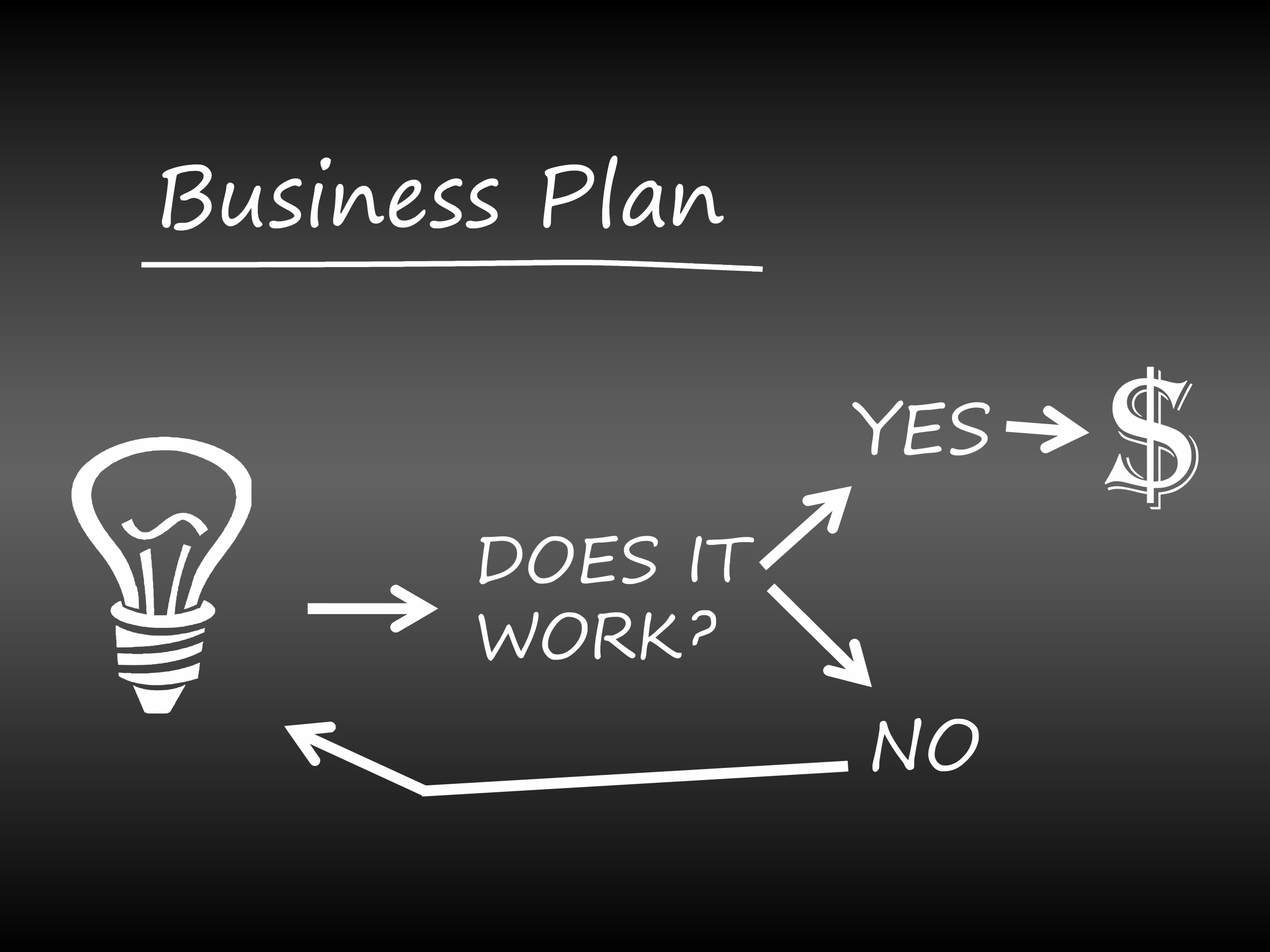
Effective business project management hinges on a robust framework of core principles that guide teams towards successful outcomes. These principles are not abstract ideals but practical tenets that, when consistently applied, lay the groundwork for efficient execution. At their heart, these principles revolve around clarity, collaboration, and control. Clarity ensures that project goals, scope, and individual responsibilities are well-defined and understood by all stakeholders.
Collaboration fosters a shared sense of ownership and facilitates the seamless exchange of information and ideas. Control, in this context, refers to the ability to monitor progress, identify deviations from the plan, and implement corrective actions proactively. These foundational elements are crucial for navigating the complexities inherent in any business endeavor, from small internal initiatives to large-scale product launches.Software solutions designed for project management are not merely digital tools; they are sophisticated enablers that amplify and systematize these fundamental principles.
They translate abstract management concepts into tangible functionalities, making them accessible and actionable for project teams. For instance, the principle of clear task delegation is directly supported by features allowing for the assignment of specific tasks to individuals or teams, complete with deadlines and detailed descriptions. Timeline adherence is bolstered by robust scheduling tools, Gantt charts, and automated reminders, providing visual representations of project progress and highlighting potential bottlenecks.
Resource allocation, a critical aspect of ensuring projects stay within budget and capacity, is managed through features that track personnel availability, equipment usage, and financial expenditures. By providing a centralized platform for these activities, project management software transforms the often-chaotic reality of project execution into a more predictable and manageable process, directly enhancing the effectiveness of the underlying organizational principles.
Core Tenets of Effective Business Project Management and Software Enhancement
The success of any business project is built upon a bedrock of fundamental principles that guide its planning, execution, and closure. These principles ensure that efforts are focused, resources are utilized efficiently, and objectives are met within defined constraints. Understanding and applying these tenets is paramount for any organization aiming for consistent project success.Effective business project management is characterized by several core tenets.
Firstly, clear objective setting is crucial. Projects must have well-defined, measurable, achievable, relevant, and time-bound (SMART) goals. Without this, teams lack direction and success becomes subjective. Secondly, comprehensive planning is essential. This involves breaking down the project into manageable tasks, estimating timelines, identifying dependencies, and allocating resources.
A well-structured plan acts as a roadmap, mitigating risks and providing a baseline for progress tracking. Thirdly, effective communication is the lifeblood of any project. Regular updates, transparent information sharing, and open channels for feedback ensure all stakeholders are informed and aligned. Fourthly, proactive risk management is vital. Identifying potential threats and developing mitigation strategies before they materialize can prevent significant disruptions.
Finally, continuous monitoring and control are necessary to track progress against the plan, identify deviations, and implement corrective actions swiftly.Project management software directly enhances these principles through its core functionalities. Task delegation is facilitated by features allowing for the creation of detailed tasks, assignment to specific team members, and setting of due dates. This ensures clarity on who is responsible for what and by when.
Timeline adherence is significantly improved by visual tools like Gantt charts and Kanban boards, which provide a clear overview of project schedules, dependencies, and critical paths. Automated notifications and progress tracking features alert managers to potential delays, enabling timely intervention. Resource allocation is streamlined through features that allow for the management of team availability, workload balancing, and tracking of budget and expenses.
This ensures that personnel and financial resources are utilized optimally and within predefined limits, preventing over-allocation and cost overruns. The software acts as a central repository for all project-related information, fostering better communication and providing a single source of truth for progress and status.
Distinct Approaches to Project Management Methodologies and Software Support
Different projects and organizational cultures lend themselves to distinct approaches to project management. Recognizing these differences and selecting the appropriate methodology is a critical step in ensuring project success. The choice of methodology often dictates the types of software features that will be most beneficial.Here’s a detailed comparison of three prominent project management methodologies:
- Waterfall: This is a traditional, linear approach where each phase of the project must be completed before the next begins. It is characterized by sequential stages: requirements, design, implementation, verification, and maintenance. This methodology is best suited for projects with well-defined requirements and minimal expected changes.
- Agile: An iterative and incremental approach, Agile focuses on flexibility, collaboration, and rapid delivery of working software. Projects are broken down into small, manageable iterations called sprints. Feedback is continuously incorporated, making it ideal for projects with evolving requirements or in fast-paced environments.
- Hybrid: This approach combines elements of both Waterfall and Agile methodologies. It can involve using Waterfall for the initial planning and design phases and then adopting Agile for the development and execution phases, or vice-versa. Hybrid models offer a balance of structure and flexibility, catering to complex projects with some predictable elements and some that require adaptability.
Project management software features cater to each of these methodologies in specific ways. For Waterfall, robust documentation management, detailed phase-gating, and comprehensive reporting features are paramount. Software that allows for the creation of detailed project plans, dependency mapping, and clear stage sign-offs is essential. For Agile, features supporting sprint planning, backlog management, daily stand-up tracking, and burndown charts are critical.
Kanban boards and tools for managing user stories and task boards are highly valuable. For Hybrid approaches, the software needs to be flexible enough to support both structured planning and iterative execution. This means having features for both detailed upfront planning and the ability to manage sprints, backlogs, and adaptive task management within the same platform. The ability to customize workflows and reporting to suit the blended nature of the project is also a key consideration.
Critical Decision-Making Factors for Project Oversight Software Selection
Choosing the right project management software is a strategic decision that can significantly impact a business’s operational efficiency and project success rates. Several factors must be carefully evaluated to ensure the selected tool aligns with the organization’s needs, goals, and existing infrastructure. A thorough assessment prevents costly mistakes and ensures a positive return on investment.When selecting software for project oversight, businesses should consider a multifaceted approach, weighing various critical factors to ensure the best fit for their unique operational landscape.
These factors can be broadly categorized to provide a structured evaluation process.The following are key decision-making factors:
- Scalability: The software should be able to grow with the business. This means it should accommodate an increasing number of users, projects, and data volume without compromising performance. For a small startup, a solution that can scale to enterprise-level capabilities as the company expands is crucial to avoid costly migrations later.
- Integration Capabilities: Seamless integration with existing business tools (e.g., CRM, accounting software, communication platforms like Slack or Microsoft Teams) is vital for a unified workflow. This prevents data silos and manual data entry, enhancing efficiency and accuracy. For instance, integrating with a CRM can automatically pull client project requirements into the project management tool.
- User-Friendliness: The interface should be intuitive and easy to navigate for all team members, regardless of their technical proficiency. A steep learning curve can lead to low adoption rates and frustration. Tools with clear dashboards, drag-and-drop functionality, and comprehensive training resources tend to have higher user adoption.
- Customization and Flexibility: The software should allow for customization of workflows, fields, and reports to match the specific processes of the business. A rigid system that doesn’t adapt to existing practices can create more problems than it solves.
- Reporting and Analytics: Robust reporting features are essential for monitoring project progress, identifying trends, and making data-driven decisions. The ability to generate customizable reports on key performance indicators (KPIs) like budget adherence, timeline completion, and team productivity is invaluable.
- Security and Compliance: For businesses handling sensitive data, strong security measures and compliance with relevant regulations (e.g., GDPR, HIPAA) are non-negotiable.
Hypothetical Scenario: Small Business Product Launch Streamlined by Project Management Tool
Consider “Artisan Brews,” a small craft coffee roastery looking to launch a new line of single-origin organic coffees. This launch involves several complex stages, from sourcing beans to marketing and distribution. Without a structured approach, the process could become chaotic, leading to missed deadlines and potential product quality issues.Let’s imagine Artisan Brews adopts a project management tool like Asana or Trello (for simplicity and visual appeal, often favored by smaller businesses).The project begins with defining the overall goal: “Successfully launch the new single-origin organic coffee line within six months, achieving a 15% increase in Q3 sales.”The project is then broken down into key phases and tasks within the chosen tool:
- Phase 1: Product Development & Sourcing (Months 1-2)
- Task: Identify and vet potential organic bean suppliers. (Assigned to: Head Roaster, Due Date: End of Week 3)
- Task: Sample and taste-test beans from shortlisted suppliers. (Assigned to: Roaster & Quality Control, Due Date: End of Week 6)
- Task: Finalize supplier contracts and place initial orders. (Assigned to: Operations Manager, Due Date: End of Month 2)
- Task: Develop roasting profiles for each bean. (Assigned to: Head Roaster, Due Date: End of Month 2)
- Phase 2: Branding & Packaging (Months 2-3)
- Task: Develop new brand identity and packaging design concepts. (Assigned to: Marketing Lead, Due Date: End of Week 8)
- Task: Conduct market research on consumer preferences for packaging. (Assigned to: Marketing Assistant, Due Date: End of Week 10)
- Task: Finalize packaging design and order printing. (Assigned to: Marketing Lead, Due Date: End of Month 3)
- Phase 3: Marketing & Sales Preparation (Months 3-5)
- Task: Create marketing collateral (website content, social media posts, flyers). (Assigned to: Marketing Team, Due Date: End of Month 4)
- Task: Plan and schedule social media launch campaign. (Assigned to: Social Media Manager, Due Date: End of Month 4)
- Task: Train sales team on new product features and selling points. (Assigned to: Sales Manager, Due Date: End of Month 5)
- Task: Secure distribution channels (online store, retail partners). (Assigned to: Sales Manager, Due Date: End of Month 5)
- Phase 4: Production & Logistics (Months 4-6)
- Task: Receive and inspect initial bean shipment. (Assigned to: Warehouse Manager, Due Date: Beginning of Month 4)
- Task: Roast first batch of new coffee line. (Assigned to: Roaster, Due Date: Mid-Month 4)
- Task: Package and label coffee bags. (Assigned to: Production Team, Due Date: End of Month 5)
- Task: Distribute inventory to online store and retail partners. (Assigned to: Logistics Coordinator, Due Date: End of Month 6)
- Phase 5: Launch & Post-Launch Analysis (Month 6 onwards)
- Task: Official product launch. (Assigned to: Entire Team, Due Date: Beginning of Month 6)
- Task: Monitor initial sales performance and customer feedback. (Assigned to: Sales & Marketing, Ongoing)
- Task: Analyze launch success against initial goals. (Assigned to: Project Manager, Due Date: End of Month 7)
The project management tool would enable:
- Visual Progress Tracking: Using a Kanban board, the team can see tasks move from “To Do” to “In Progress” to “Completed,” providing an immediate visual status update.
- Clear Accountability: Each task is assigned to a specific individual, eliminating confusion about who is responsible.
- Deadline Management: Automated reminders and visual indicators on the calendar view help ensure no deadlines are missed.
- Resource Visibility: The team can see who is working on what, helping to balance workloads and identify potential bottlenecks. For example, if the Head Roaster is overloaded, the Marketing Lead might adjust their design deadlines.
- Centralized Communication: Comments and attachments can be added directly to tasks, keeping all relevant discussions and documents in one place.
- Risk Identification: If a supplier is delayed, this can be noted on the relevant task, allowing the team to quickly pivot or adjust other timelines.
By leveraging a project management tool, Artisan Brews can navigate this complex launch with greater organization, transparency, and efficiency, significantly increasing their chances of a successful product introduction and subsequent sales growth.
The evolution of digital platforms for overseeing business initiatives has dramatically reshaped operational efficiency and collaborative dynamics within organizations.

The way we manage projects has undergone a massive transformation, moving from basic manual methods to incredibly powerful digital ecosystems. This shift hasn’t just made things faster; it’s fundamentally changed how teams work together, especially when they’re not in the same room. The journey from simple lists to sophisticated software mirrors the broader digital revolution, impacting every facet of business operations.This evolution is a testament to how technology can streamline complex processes, enhance communication, and provide unprecedented visibility into project progress.
Early tools were rudimentary, but they laid the groundwork for the sophisticated, integrated solutions we rely on today. The impact on efficiency and collaboration is undeniable, enabling businesses to tackle more ambitious projects with greater agility and control.
Historical Progression of Project Management Software
The genesis of project management software can be traced back to the era of manual tracking and early spreadsheet applications. Initially, project managers relied on physical charts, whiteboards, and basic lists to Artikel tasks, assign responsibilities, and monitor timelines. The advent of personal computers brought spreadsheets like VisiCalc and later Microsoft Excel into the picture. These tools offered a significant leap forward, allowing for the creation of task lists, budget tracking, and simple Gantt charts.
However, they were largely individualistic, requiring manual updates and lacking robust collaboration features. As computing power grew and networks became more prevalent, dedicated project management software began to emerge. Early versions were often desktop-based, offering more structured task management, dependency mapping, and resource allocation. These systems, while an improvement, were often complex to implement and maintain. The real game-changer arrived with the rise of the internet and, subsequently, cloud computing.
This ushered in the era of Software as a Service (SaaS) for project management. Cloud-based platforms eliminated the need for on-premises installations and complex IT infrastructure, making powerful project management tools accessible to businesses of all sizes. These modern systems are inherently collaborative, designed from the ground up to support distributed teams. Technological advancements, such as real-time data synchronization, instant messaging integration, and shared document repositories, have been instrumental in this transformation.
The shift from static spreadsheets to dynamic, cloud-hosted platforms has dramatically reduced the friction in project execution and reporting, enabling teams to respond more quickly to changes and fostering a more connected work environment.
Facilitating Seamless Communication and Information Sharing for Dispersed Teams
Modern project management platforms are engineered to bridge geographical divides, fostering a sense of co-location even when teams are scattered across the globe. The core of this functionality lies in providing a centralized hub for all project-related information and communication. Specific communication channels are deeply integrated, moving beyond simple email chains. These include dedicated project-specific chat functionalities, allowing for quick questions and discussions without cluttering inboxes.
Video conferencing integrations are also commonplace, enabling face-to-face meetings that replicate the dynamics of in-person interactions. Real-time update mechanisms are a cornerstone of these platforms. When a task is completed, a deadline is adjusted, or a new document is uploaded, all relevant team members are instantly notified. This can manifest as in-app notifications, push alerts to mobile devices, or even automated email summaries.
Many platforms also feature activity feeds that provide a chronological log of all project changes, offering transparency and ensuring everyone is on the same page. Features like @mentions allow team members to directly tag colleagues, ensuring that important messages are seen and addressed promptly. Document management systems within these platforms enable collaborative editing and version control, eliminating confusion over the latest file iteration.
This continuous flow of information and instant feedback loop is crucial for maintaining momentum and ensuring that geographically dispersed teams operate as a cohesive unit, minimizing delays and misunderstandings that can plague traditional remote work setups.
Benefits of Integrated Project Management Suites
Adopting integrated suites that combine project planning, execution, and reporting functionalities offers a profound uplift in operational efficiency and strategic insight. By consolidating these critical aspects into a single ecosystem, businesses dismantle the barriers of data silos that often plague fragmented systems. This means that information flows seamlessly from the initial project scope and task breakdown through to progress tracking, resource allocation, and final reporting.
When planning tools are linked directly to execution modules, any changes in scope or timelines can be immediately reflected in resource needs and budget forecasts. Similarly, real-time data from execution feeds directly into reporting dashboards, eliminating the manual effort of data aggregation and reducing the likelihood of errors. This holistic view empowers project managers and stakeholders with an unparalleled level of visibility.
They can identify potential bottlenecks, assess team performance, and forecast project outcomes with greater accuracy. For instance, a project manager can see at a glance which tasks are falling behind, how that impacts resource utilization, and what the financial implications are, all within the same interface. This level of integration fosters proactive decision-making, allowing for timely interventions rather than reactive damage control.
Ultimately, it leads to more predictable project delivery, improved resource optimization, and a stronger return on investment for every initiative undertaken.
Essential Features for Contemporary Business Project Management Tools
To ensure optimal team performance and project success in today’s dynamic business environment, a robust project management tool must offer a comprehensive set of functionalities. These features are designed to support the entire project lifecycle, from initiation to closure, and to foster effective collaboration among team members, regardless of their location.
- Task Management and Assignment: The ability to create, assign, prioritize, and track individual tasks with clear deadlines and dependencies is fundamental. This includes sub-tasks, recurring tasks, and the ability to attach relevant files or comments to each task.
- Real-time Collaboration and Communication Tools: Integrated chat, commenting, file sharing, and @mentions allow for instant communication and context-specific discussions directly within the project environment, reducing reliance on external communication channels.
- Visual Project Planning and Tracking: Tools like Gantt charts, Kanban boards, and calendar views provide visual representations of project timelines, task dependencies, and progress, making it easier to understand the project’s overall status and identify potential roadblocks.
- Reporting and Analytics: Customizable dashboards and automated reports that offer insights into project progress, team performance, resource utilization, budget tracking, and risk assessment are crucial for informed decision-making and stakeholder communication.
- Resource Management and Allocation: The capability to assign resources (personnel, equipment, budget) to tasks, monitor their availability, and identify potential over-allocations or under-utilization helps in optimizing team capacity and ensuring projects stay on track without burning out team members.
Leveraging specialized software empowers teams to navigate the complexities of project execution with enhanced precision and strategic foresight.
In today’s fast-paced business environment, the successful delivery of projects hinges on the ability of teams to meticulously plan, execute, and monitor their progress. Specialized project management software has emerged as an indispensable tool, offering a robust framework that transforms abstract project goals into tangible, trackable achievements. This technology provides the necessary infrastructure for teams to move beyond manual tracking and embrace a more data-driven, efficient, and ultimately, more successful approach to project execution, fostering enhanced precision and strategic foresight at every turn.The inherent complexity of business projects, often involving numerous interdependencies, diverse stakeholders, and shifting priorities, can easily lead to confusion and missed deadlines if not managed effectively.
Project management software acts as a central nervous system, consolidating all project-related information and activities into a single, accessible platform. This unified view allows for a level of detail and control that was previously unattainable, empowering teams to not only react to challenges but to anticipate and mitigate them proactively, thereby ensuring that projects stay on course and objectives are met with a high degree of accuracy and strategic vision.
Meticulous Tracking of Project Progress
Project management software excels at providing granular visibility into the progression of a project against its defined milestones and objectives. This is achieved through a combination of features that allow for the detailed breakdown of projects into manageable tasks, each with its own set of parameters. Tasks can be assigned specific start and end dates, estimated durations, and dependencies on other tasks.
As team members update the status of their assigned tasks – marking them as “in progress,” “completed,” or even “on hold” – the software automatically recalculates the overall project progress. This real-time updating is crucial, as it ensures that all stakeholders have access to the most current information, preventing miscommunications and enabling swift decision-making.Milestones, which represent significant achievements or checkpoints within a project lifecycle, are also clearly defined and tracked.
The software visually represents the timeline, often through Gantt charts, which illustrate task durations, dependencies, and the proximity of upcoming milestones. This visual representation makes it easy to identify potential bottlenecks or delays that might impact the achievement of a milestone. Furthermore, many platforms allow for the establishment of key performance indicators (KPIs) at the task and project level. These KPIs can range from the percentage of tasks completed on time to budget adherence and resource utilization.
By continuously monitoring these metrics, project managers can gain a precise understanding of where the project stands in relation to its planned trajectory, allowing for immediate intervention if deviations occur. For instance, if a critical task is consistently falling behind schedule, the software can flag this immediately, prompting the project manager to reallocate resources or adjust the timeline, thereby maintaining the integrity of the overall project plan and its objectives.
Practical Application of Risk Management Modules
Risk management is a cornerstone of successful project execution, and specialized software significantly enhances a team’s ability to identify, assess, and mitigate potential roadblocks. Risk management modules within these tools typically allow for the creation of a comprehensive risk register. This register serves as a central repository for all identified risks, where each risk can be documented with a clear description, its potential impact on the project, and its likelihood of occurrence.
By categorizing risks (e.g., technical, financial, operational, external), teams can prioritize their attention on the most critical threats.Once risks are identified and logged, the software facilitates their assessment. This often involves assigning a risk score based on a combination of impact and probability, allowing teams to focus their mitigation efforts on high-priority risks. The true power of these modules lies in their ability to move beyond identification to proactive strategy formulation.
For each identified risk, teams can define specific mitigation strategies. These strategies might involve preventative actions, contingency plans, or even risk transfer mechanisms. For example, if a risk of a key supplier going out of business is identified, a mitigation strategy might be to identify and pre-qualify alternative suppliers, or to build a larger buffer stock of critical components. The software can then track the implementation and effectiveness of these mitigation strategies, linking them directly to the risks they are intended to address.
This ensures that risk management is not a static exercise but a dynamic and integrated part of the project lifecycle, providing a robust safety net against unforeseen challenges and ensuring a smoother project journey.
Step-by-Step Procedure for Setting Up a New Project
Setting up a new project within a typical project management platform is a structured process designed to lay a solid foundation for successful execution. The following steps Artikel a common procedure:
1. Initiate Project Creation
Navigate to the “Create New Project” or similar option within the software. This is usually found in a main dashboard or project list menu.
2. Define Project Basics
Enter the project name, a concise description, and select a project template if available (e.g., Agile, Waterfall, or a custom template). Assign a project owner or manager.
3. Set Project Dates and Budget
Discover how best accounting software for inventory has transformed methods in this topic.
Specify the project’s start and end dates. If budgeting is integrated, input the overall project budget and allocate funds to different phases or categories.
4. Configure Project Settings
Customize project-specific settings such as time tracking preferences, notification settings, and any unique workflows or approval processes required.
5. Onboard Team Members
Invite team members to the project by entering their email addresses or selecting them from an existing user directory. Assign roles and permissions to each member, defining their level of access and responsibilities within the project.
Obtain a comprehensive document about the application of erp system for supply chain management that is effective.
6. Break Down Project into Tasks
Create a hierarchical structure of tasks and sub-tasks that represent the work to be done. For each task, define its name, description, and estimated effort.
7. Assign Dependencies and Milestones
Link tasks that have dependencies, ensuring that one task cannot begin until another is completed. Define key milestones, marking significant achievements or delivery points in the project timeline.
Learn about more about the process of enterprise resource planning process in the field.
8. Assign Tasks to Team Members
Allocate specific tasks to individual team members based on their skills and availability. Provide clear instructions and deadlines for each assigned task.
9. Review and Finalize
Conduct a thorough review of the project setup, including the task list, assignments, dependencies, and timeline, to ensure accuracy and completeness before commencing work.
Visual Dashboard for Project Health Overview, Business project management tools
A visual dashboard within project management software is akin to a command center, offering an at-a-glance overview of project health, critical metrics, and potential areas of concern. These dashboards are highly customizable, allowing project managers and stakeholders to see the information most relevant to them. Typically, they feature a collection of widgets or cards that display key performance indicators (KPIs) in an easily digestible format.For example, a common widget might show the overall project completion percentage, derived from the status of individual tasks.
Another might display a timeline view, highlighting upcoming deadlines and overdue tasks. Resource allocation charts can illustrate how effectively team members’ time is being utilized, identifying potential overloads or underutilization. Budget tracking widgets provide a clear view of expenditure against the allocated budget, often with visual cues like progress bars or color-coding to indicate if the project is on track, approaching budget limits, or over budget.
Risk dashboards can summarize the number of open risks, their severity, and the status of mitigation efforts.The power of these dashboards lies in their ability to present complex project data in a simplified, visual manner. Instead of sifting through numerous reports, stakeholders can quickly identify trends, spot anomalies, and understand the overall status of the project. For instance, a red indicator on a budget widget immediately draws attention to a financial concern, prompting further investigation.
Similarly, a spike in overdue tasks on a timeline visualization signals a need for immediate action. This immediate insight allows for proactive problem-solving, enabling teams to pivot quickly and make informed decisions to keep the project on track and achieve its strategic objectives, all while maintaining a clear perspective on the project’s overall health and trajectory.
The strategic selection and implementation of digital aids for managing business undertakings are paramount for achieving organizational goals and fostering continuous improvement.

Selecting the right digital tools for project management is a significant strategic decision that directly impacts a company’s ability to achieve its objectives. This involves a thorough evaluation not just of features, but also of the long-term financial implications and the operational shifts required for successful adoption.The journey of integrating project management software requires careful consideration of various financial aspects to ensure it aligns with budgetary constraints and delivers tangible value.
This holistic view of costs extends far beyond the initial purchase price, encompassing a range of expenditures that, if overlooked, can lead to unexpected financial strain and diminish the perceived return on investment.
Evaluating the Total Cost of Ownership for Project Management Software
When businesses consider the financial commitment to project management software, it’s crucial to look beyond the sticker price and understand the total cost of ownership (TCO). This comprehensive assessment helps in making informed decisions and avoiding budgetary surprises down the line.Subscription fees form the most apparent part of the TCO. These are typically recurring payments, either monthly or annually, and their cost can vary significantly based on the vendor, the number of users, and the feature set included.
Some vendors offer tiered pricing, where higher tiers unlock more advanced functionalities, which might be necessary for complex projects but also increase the overall expense. It is important to carefully match the required features with the subscription tier to avoid overpaying for unused capabilities.Training expenses are another critical component. Even the most intuitive software requires some level of user training to ensure effective adoption and utilization.
This can include formal training sessions conducted by the vendor, internal training programs developed by IT or project management teams, or even the cost of employees dedicating work hours to self-paced learning. The complexity of the software and the technical proficiency of the user base will directly influence the extent and cost of training required. Without adequate training, the software’s potential benefits may never be fully realized, making the investment less impactful.Potential customization costs can also add a substantial layer to the TCO.
While many project management tools offer out-of-the-box solutions, businesses often have unique workflows or specific integration needs that require tailoring the software. This might involve configuring custom fields, developing bespoke reports, or integrating the project management tool with other existing business systems like CRM or ERP. These customizations can be expensive, often billed by the hour by the vendor or a third-party developer, and can also incur ongoing maintenance costs if the software is updated.
Thoroughly assessing the need for customization during the evaluation phase is vital to accurately estimate this aspect of the TCO.Beyond these direct costs, consider indirect expenses such as the time invested by internal teams in selecting, implementing, and managing the software, potential data migration costs if moving from an existing system, and the ongoing support fees if not included in the subscription.
A well-defined TCO analysis allows organizations to budget realistically and ensure that the chosen project management software provides a sustainable and valuable solution.
Actionable Insights from Reporting and Analytics Features
Robust reporting and analytics features are the backbone of effective project management software, transforming raw data into strategic intelligence. These capabilities move beyond simple task tracking to provide deep insights that inform future planning, optimize resource allocation, and enhance overall project success rates.These tools enable the generation of a wide array of reports, including progress reports, budget variance reports, risk assessments, and resource utilization summaries.
For instance, a project manager can analyze a budget variance report to identify projects that are consistently overspending, pinpointing specific cost drivers. This information is invaluable for future budgeting cycles, allowing for more accurate cost estimations and proactive risk mitigation strategies. Similarly, resource utilization reports can reveal bottlenecks or underutilized team members, prompting adjustments in task assignments or the need for additional training or personnel.The analytics functionalities within these platforms often go further, employing data visualization techniques such as charts, graphs, and dashboards.
These visual representations make complex data easily digestible, allowing stakeholders to quickly grasp project status, identify trends, and make informed decisions. For example, a trend analysis of project completion times can highlight whether projects are consistently being delivered late, suggesting systemic issues in planning or execution that need addressing. Predictive analytics can even forecast potential project delays or budget overruns based on historical data, enabling proactive interventions.By providing these actionable insights, reporting and analytics features empower teams to learn from past performance.
They facilitate a continuous improvement cycle where lessons learned from completed projects are directly applied to the planning and execution of new initiatives. This data-driven approach not only enhances the efficiency of current projects but also builds a foundation for more strategic and successful project management in the long term, ensuring resources are deployed optimally and organizational goals are met with greater predictability.
Cloud-Based vs. On-Premises Project Management Solutions
The decision between cloud-based and on-premises project management solutions is a fundamental one, with each offering distinct advantages and disadvantages that businesses must weigh carefully based on their specific needs and operational context.Cloud-based solutions, also known as Software-as-a-Service (SaaS), are hosted on the vendor’s servers and accessed via the internet. A primary benefit is the reduced upfront investment, as there are typically no hardware purchases or complex installation processes.
Maintenance, updates, and security patches are handled by the vendor, significantly lowering the IT burden on the organization. Accessibility is another major advantage; users can access the software from any device with an internet connection, promoting flexibility and remote work capabilities. Data security is managed by the cloud provider, which often invests heavily in robust security measures, though some organizations may have concerns about data residing outside their direct control.
Scalability is generally straightforward, allowing businesses to easily add or remove users as their needs change.On-premises solutions, on the other hand, are installed and run on a company’s own servers and IT infrastructure. This offers greater control over data security and compliance, as sensitive information remains within the organization’s firewall. Businesses that handle highly confidential data or operate under strict regulatory requirements might prefer this model.
Maintenance, updates, and security are the responsibility of the company’s IT department, which requires dedicated resources and expertise. While the initial investment in hardware and software licenses can be substantial, the ongoing costs might be more predictable over the long term compared to recurring subscription fees. Accessibility is typically limited to the company’s network, though VPNs can extend access, they can introduce complexity and potential performance issues.
Customization can often be more extensive with on-premises solutions, allowing for deeper integration with existing systems.The choice often boils down to a trade-off between control and convenience, initial cost versus ongoing investment, and specific security and compliance requirements.
Hypothetical Case Study: “Innovate Solutions” Project Management Transformation
Innovate Solutions, a growing tech startup, struggled with disorganized project workflows, leading to missed deadlines and budget overruns. Before implementing a dedicated project management software, their processes were fragmented, relying on spreadsheets, email, and informal communication channels.
| Challenge | Solution Implemented | Key Metrics Improved | Outcome |
|---|---|---|---|
| Lack of centralized task management and visibility across projects. Team members were unaware of dependencies, leading to duplicated efforts and delays. | Implemented a cloud-based project management platform with features for task assignment, dependency mapping, and real-time progress tracking. A comprehensive training program was conducted for all team members. | On-time project completion rate increased by 40%. Reduction in project delays by 30%. Improvement in team collaboration scores by 25%. | Innovate Solutions successfully delivered 85% of projects on time and within budget in the first year post-implementation. This led to improved client satisfaction and a significant boost in team morale and productivity. |
| Inaccurate resource allocation and frequent over-allocation of key personnel, resulting in burnout and reduced output. | Utilized the software’s resource management and capacity planning tools to visualize team workloads and forecast resource needs. Regular resource review meetings were established. | Resource utilization efficiency improved by 35%. Reduction in unplanned overtime by 50%. | The company gained better insights into team capacity, allowing for more strategic project staffing and a more balanced workload distribution. This reduced employee stress and increased overall team output. |
| Difficulty in tracking project budgets and identifying cost overruns until it was too late to effectively manage them. | Integrated the project management software with their accounting system and leveraged its financial tracking and reporting features to monitor expenses against budgets in real-time. | Budget adherence improved by 20%. Reduction in overall project cost overruns by 15%. | Financial transparency increased significantly, enabling project managers to make proactive adjustments to spending, leading to more predictable project financials and better financial forecasting. |
| Poor communication and collaboration, with critical project information scattered across emails and documents, leading to misinterpretations and missed action items. | The chosen platform offered integrated communication tools, document sharing, and version control, centralizing all project-related discussions and files. | Reduction in miscommunication incidents by 60%. Faster issue resolution times by 25%. | A unified communication environment fostered better teamwork and ensured all stakeholders had access to the most up-to-date project information, streamlining decision-making processes. |
Empowering teams with the right digital infrastructure is crucial for fostering innovation and ensuring the efficient delivery of business objectives.
The modern business landscape demands agility, precision, and seamless collaboration. To achieve this, equipping teams with robust digital tools is no longer a luxury but a fundamental necessity. Project management software, in particular, serves as the backbone for orchestrating complex initiatives, driving productivity, and ultimately, enabling organizations to innovate and meet their strategic goals effectively. This infrastructure extends beyond mere task tracking; it encompasses intelligent automation, intuitive visualization, efficient information retrieval, and stringent security measures, all working in concert to empower every member of the team.
Streamlining Operations with Customizable Workflows and Automation
The efficiency of any project hinges on the ability to manage its constituent tasks effectively. Project management software significantly enhances this by offering customizable workflows and powerful automation capabilities. These features are designed to take on the burden of repetitive, time-consuming activities, freeing up human capital for more strategic and creative endeavors. Customizable workflows allow teams to tailor the project process to their specific needs, defining stages, assigning responsibilities, and setting clear dependencies that align with their unique operational style.
This flexibility ensures that the software adapts to the team, rather than the team having to adapt to rigid software constraints.Automation capabilities further amplify this efficiency. By automating routine tasks such as sending status update reminders, assigning follow-up actions, or generating standard reports, project managers and team members can drastically reduce manual effort. For instance, when a task is marked as complete, an automated workflow can instantly trigger the next dependent task, notify the assigned individual, and update the project timeline, eliminating the need for manual intervention at each step.
This not only accelerates project progression but also minimizes the risk of human error that can often creep into manual processes. Consider a marketing campaign project; automation can handle the scheduling of social media posts, the distribution of follow-up emails to leads, and the compilation of initial engagement metrics, allowing the marketing team to focus on content creation and strategic planning.
The impact is a measurable reduction in administrative overhead and a significant boost in overall project velocity.
Visualizing Project Progress with Gantt Charts and Kanban Boards
Effective project management relies heavily on clear communication and a comprehensive understanding of project timelines and interdependencies. Project management software provides distinct visual tools, such as Gantt charts and Kanban boards, to offer diverse perspectives on project progress. Gantt charts present a timeline-based view of the project, illustrating the duration of each task, its start and end dates, and its relationship with other tasks.
This visual representation is invaluable for long-term planning, resource allocation, and identifying potential bottlenecks that could impact the project’s overall schedule. By seeing the entire project laid out chronologically, stakeholders can easily grasp the critical path and anticipate upcoming milestones.Kanban boards, on the other hand, offer a more fluid, task-centric visualization. They utilize columns to represent different stages of a workflow (e.g., “To Do,” “In Progress,” “Done”) and cards to represent individual tasks.
Tasks move across these columns as they progress through the project lifecycle. This visual system is excellent for managing daily operations, tracking the flow of work, and identifying areas where tasks might be getting stalled. The simplicity and visual clarity of Kanban boards make them ideal for agile teams and for fostering a sense of continuous movement and accomplishment. For example, a software development team might use a Kanban board to track bug fixes, moving each bug report from “Backlog” to “In Development” to “Testing” and finally to “Resolved.” This visual approach allows the team to quickly see what’s being worked on, what’s next, and where any delays might be occurring, facilitating better team coordination and faster problem-solving.
Enhancing Productivity through Advanced Search and Filtering
In projects involving numerous tasks, documents, and stakeholders, locating specific information quickly is paramount to maintaining productivity. Project management platforms are equipped with advanced search and filtering functionalities that act as powerful tools for information retrieval. These features allow users to sift through vast amounts of project data with precision, saving valuable time that would otherwise be spent manually sifting through files or lists.
Users can typically search by s, task names, assigned individuals, due dates, status, tags, or even custom fields.For instance, a project manager needing to find all tasks assigned to a particular team member that are due in the next week can apply a combination of filters for “assigned to: [Team Member Name]” and “due date: [next 7 days].” Similarly, a team member might need to quickly access a specific document related to a particular feature.
Advanced search capabilities can locate this document by its title, content, or the project it’s associated with. This immediate access to relevant information reduces frustration, minimizes context switching, and ensures that team members can focus on their work without being hindered by information retrieval delays. This efficiency is crucial for maintaining momentum, especially in fast-paced project environments where timely access to information can be the difference between meeting a deadline and missing it.
Ensuring Security and Data Privacy in Cloud-Based Solutions
As organizations increasingly adopt cloud-based project management solutions, the importance of robust security protocols and data privacy measures cannot be overstated. Protecting sensitive project information, intellectual property, and client data is a critical responsibility. Reputable cloud-based project management platforms implement a multi-layered approach to security, encompassing various safeguards that businesses should expect and thoroughly verify.These safeguards typically include encryption, both in transit and at rest, meaning that data is scrambled and unreadable to unauthorized parties whether it’s being sent across the internet or stored on servers.
Access controls are another crucial element, often featuring role-based permissions that ensure users only have access to the information and functionalities relevant to their role. Multi-factor authentication (MFA) adds an extra layer of security by requiring users to provide multiple forms of verification before granting access, significantly reducing the risk of unauthorized logins. Regular security audits, compliance with industry standards like ISO 27001 or SOC 2, and clear data privacy policies that Artikel how data is collected, used, and protected are also vital indicators of a secure platform.
Businesses should proactively inquire about these measures and review the provider’s security documentation to ensure their project data is adequately protected against breaches and unauthorized access, fostering trust and enabling secure collaboration.
Final Summary: Business Project Management Tools
In essence, the strategic adoption and adept utilization of business project management tools are not merely about adopting new software; they represent a fundamental shift in how organizations approach planning, execution, and delivery. From meticulously tracking progress and managing risks to fostering seamless communication across dispersed teams and empowering innovation through customizable workflows, these tools are indispensable for navigating the modern business landscape.
The journey from early spreadsheets to sophisticated cloud-based systems underscores a continuous evolution towards greater efficiency, collaboration, and ultimately, the successful achievement of ambitious business objectives. Embracing these digital aids is a decisive step towards building more agile, resilient, and high-performing teams ready to conquer any project challenge.
Answers to Common Questions
What is the primary benefit of using business project management tools?
The primary benefit is enhanced organization, improved team collaboration, better resource allocation, and increased efficiency in completing projects on time and within budget.
Can these tools help with managing multiple projects simultaneously?
Yes, most modern business project management tools are designed to handle multiple projects, allowing users to create separate project spaces, track individual progress, and manage resources across all initiatives.
Are business project management tools suitable for remote teams?
Absolutely. Cloud-based project management tools are particularly beneficial for remote teams, enabling seamless communication, real-time updates, and centralized access to project information regardless of location.
What is the difference between a Gantt chart and a Kanban board in project management tools?
A Gantt chart provides a timeline view of tasks and their dependencies, ideal for detailed scheduling. A Kanban board uses columns to visualize workflow stages, perfect for managing task progression and identifying bottlenecks in a more fluid manner.
How do project management tools assist in risk management?
They offer modules to identify potential risks, assess their impact, assign owners for mitigation strategies, and track the status of risk-related actions, thus enabling proactive problem-solving.